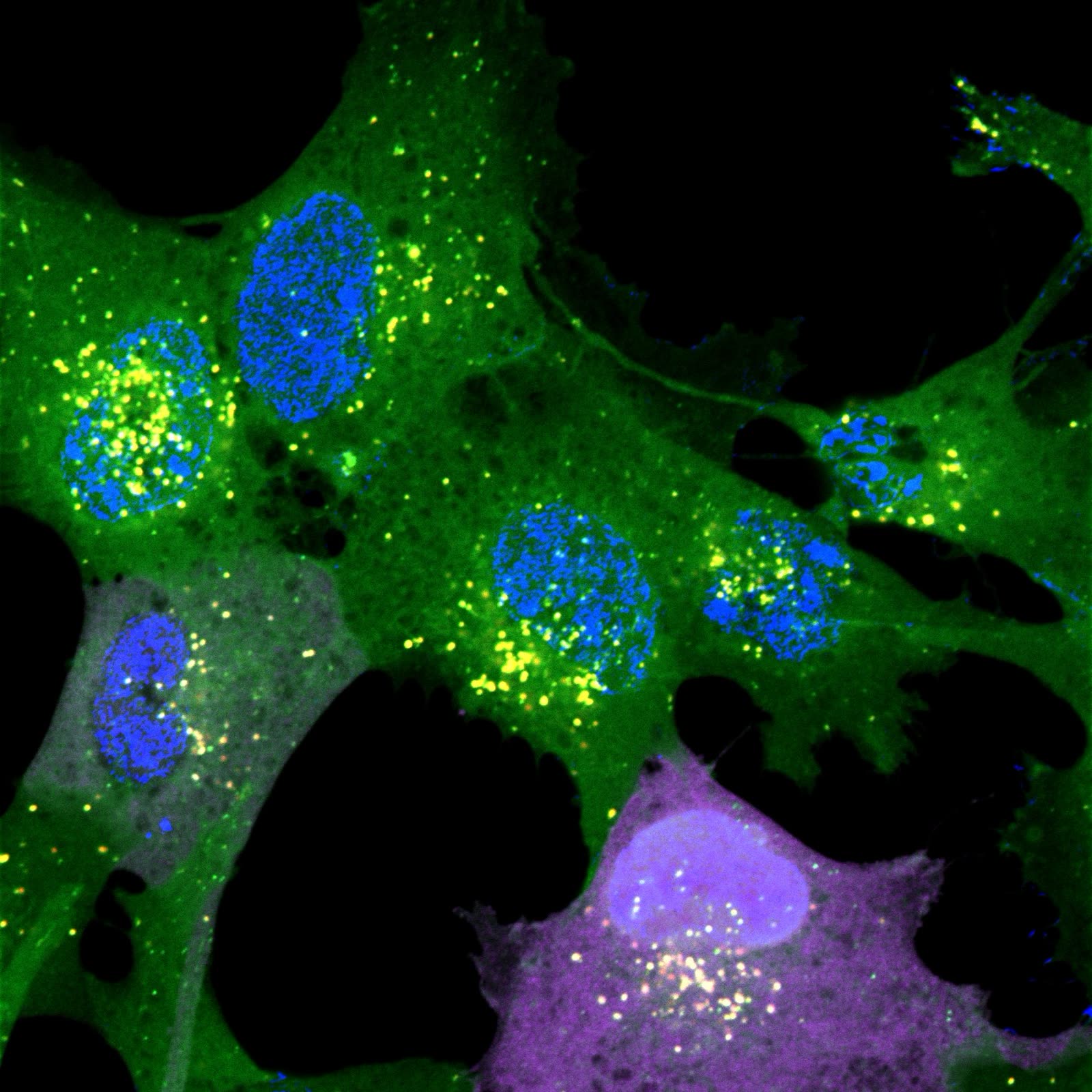
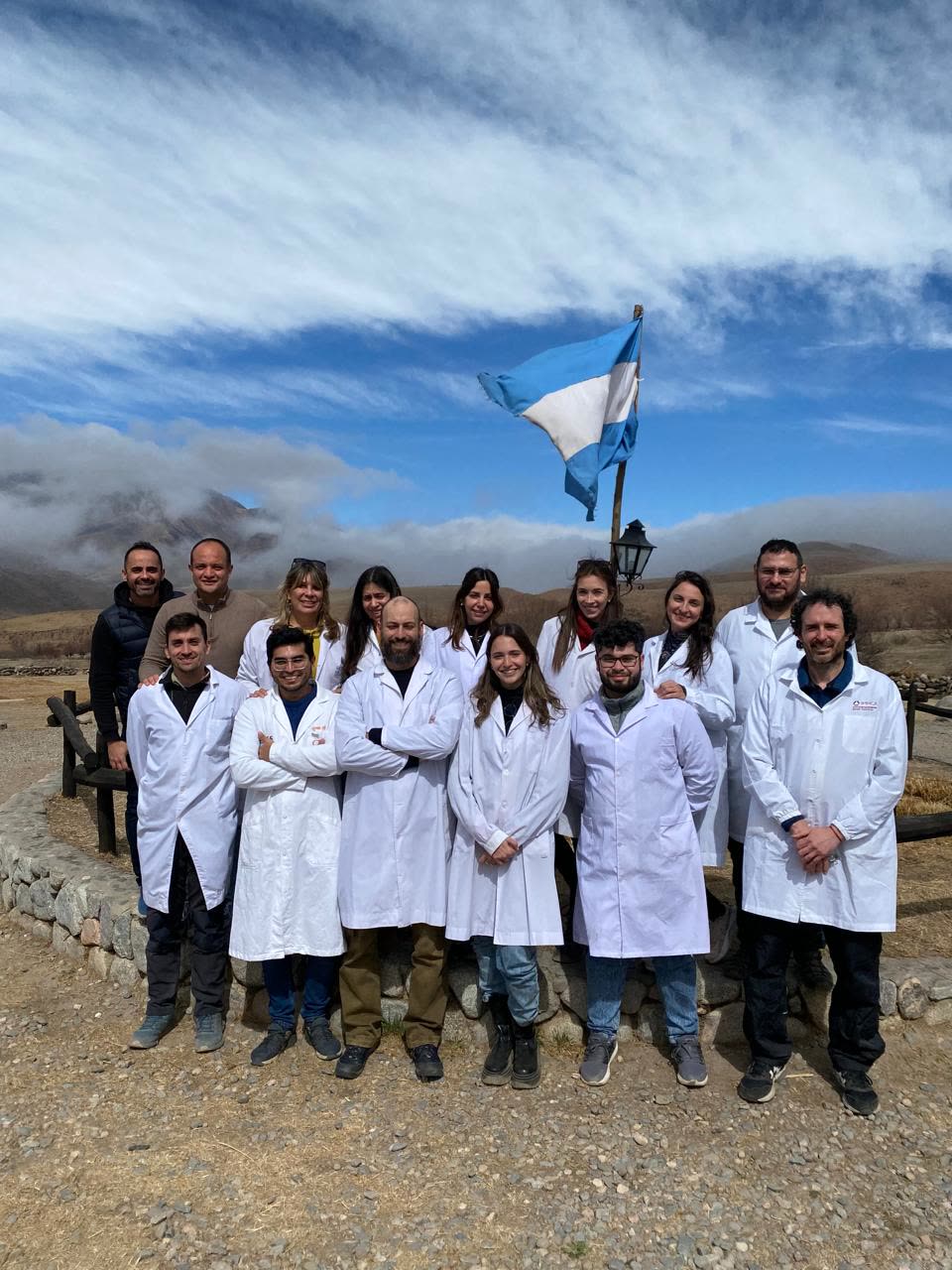
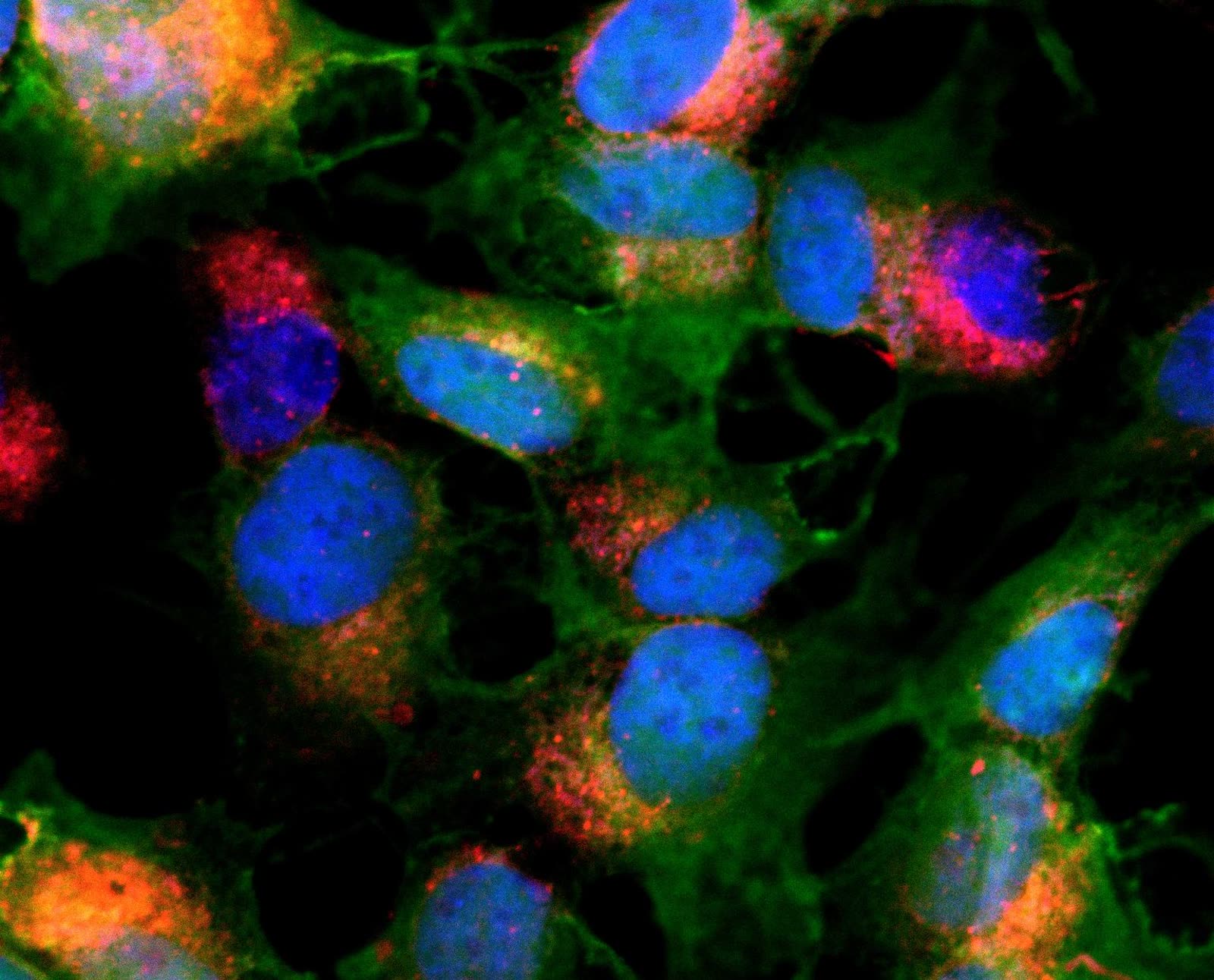
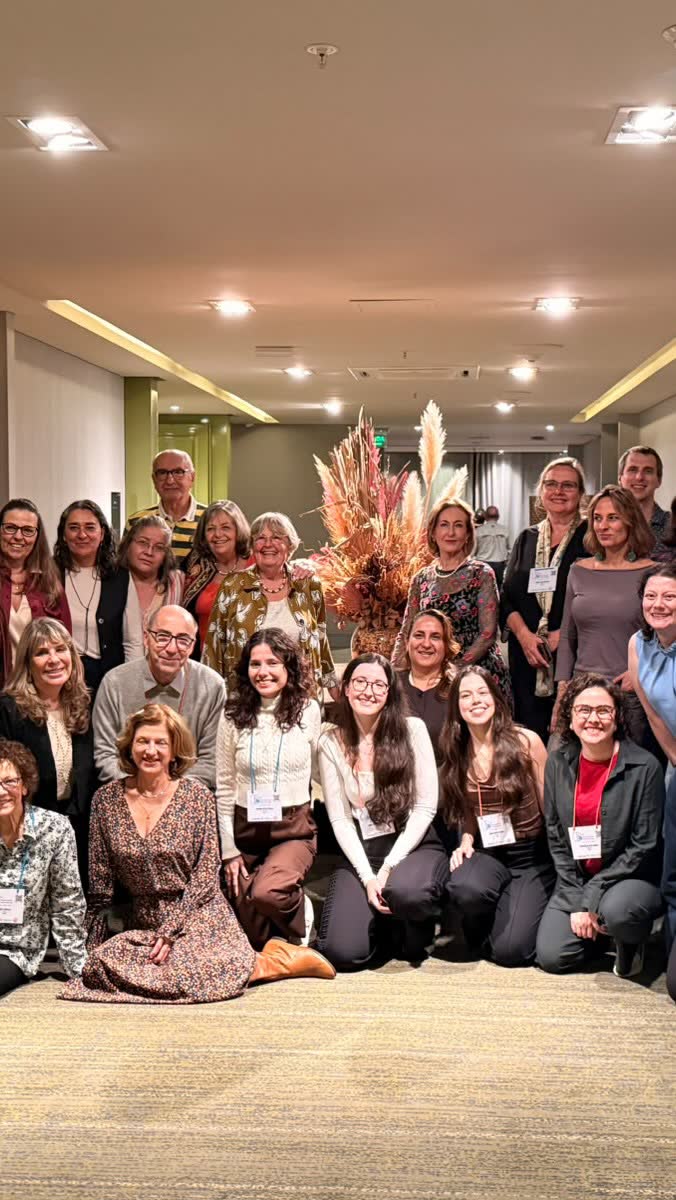
IMMCA at the Neurotoxicity Society meeting
In Montevideo we presented our work alongside some 200 specialists from around the world.
View on InstagramWe study how neurodegenerative diseases begin and develop new tools to detect and treat them. We do this together with health-care teams, research groups and technology-based companies.
Institute for Research in Applied Molecular and Cellular Medicine · CONICET, UNT and SIPROSA
Research · Teaching · Technology transfer



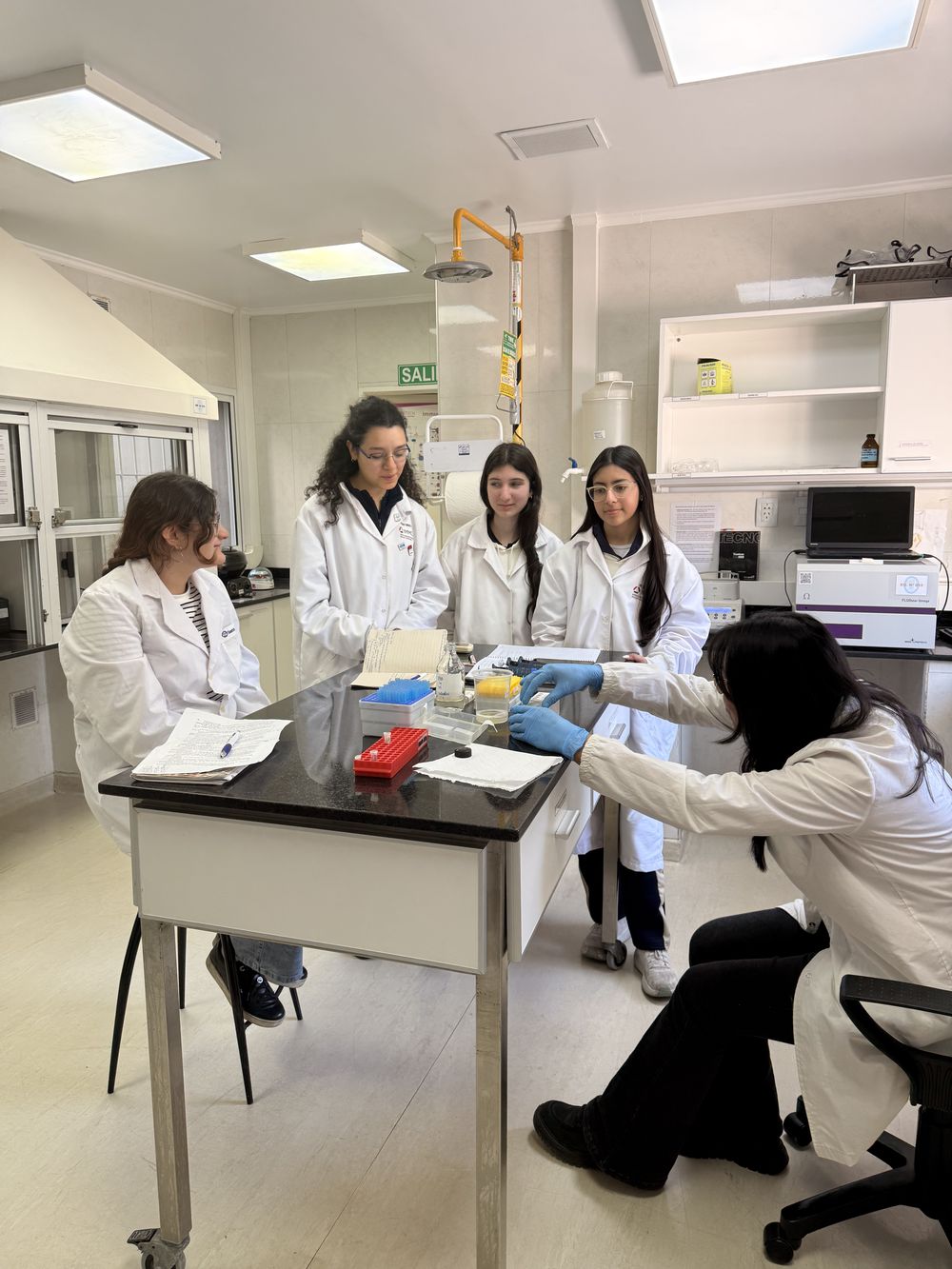 Therapeutic development
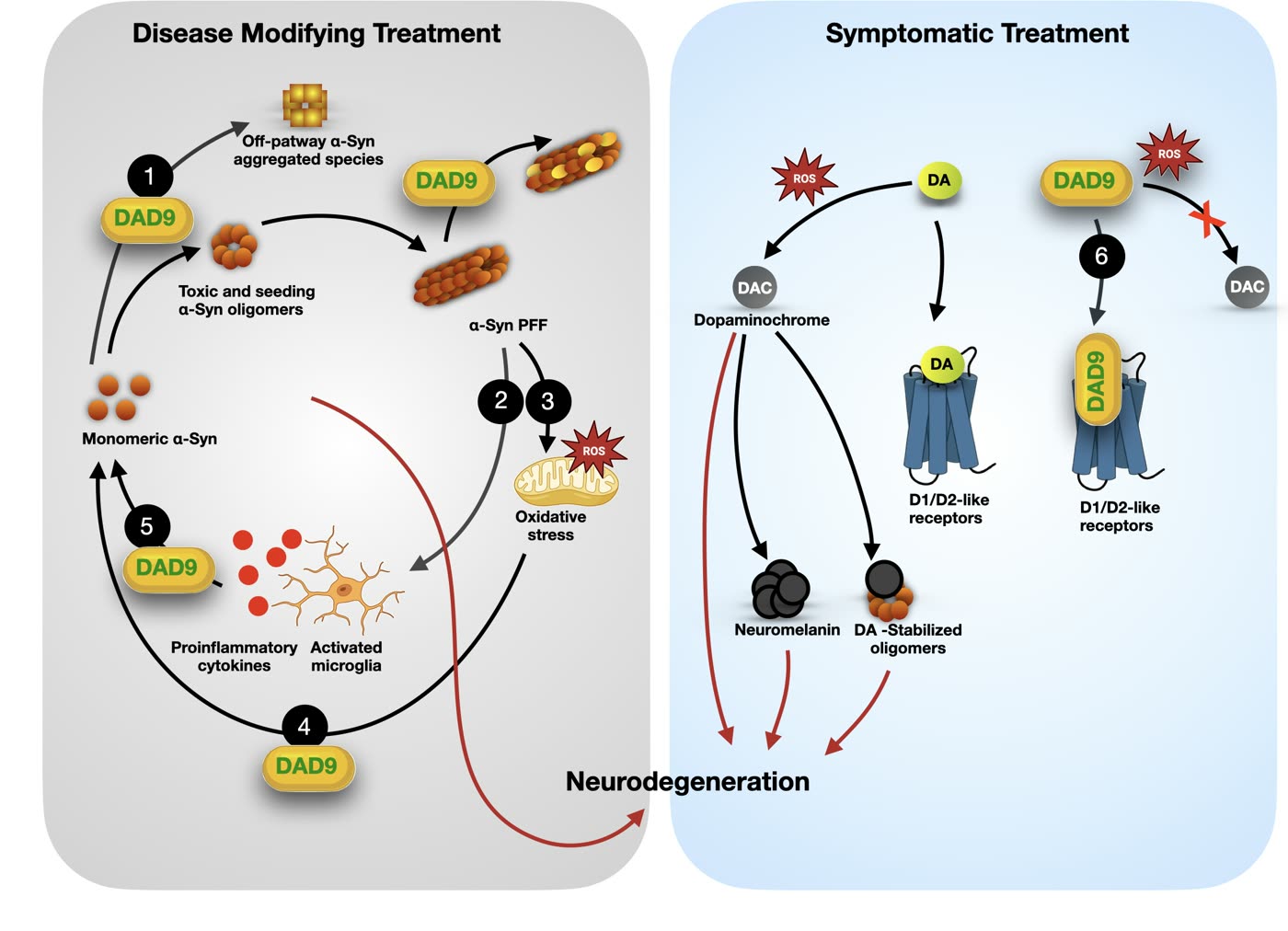
Current treatments ease the symptoms by replacing the missing dopamine, but they do not slow the disease down. DAD9-Pegasus brings both together in a single molecule: it activates dopamine receptors and, in experimental models, interferes with alpha-synuclein aggregation, oxidative stress and neuroinflammation. It has completed the preclinical stage and has not been tested in people yet.
See how Pegasus was developed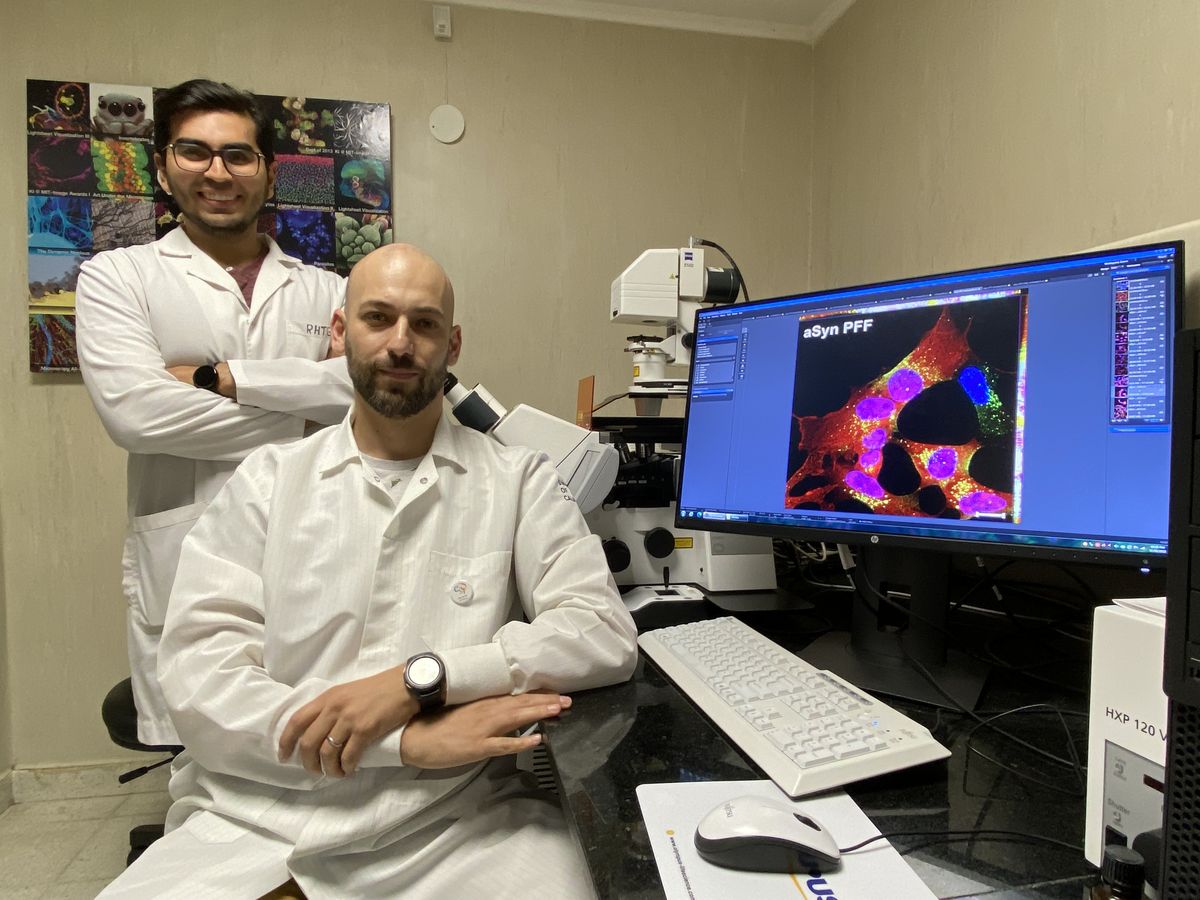 Diagnostic research
Together with ANLIS-Malbrán we are validating an assay that detects misfolded alpha-synuclein in cerebrospinal fluid. In parallel, we are exploring its use in blood.
See the RT-QuIC project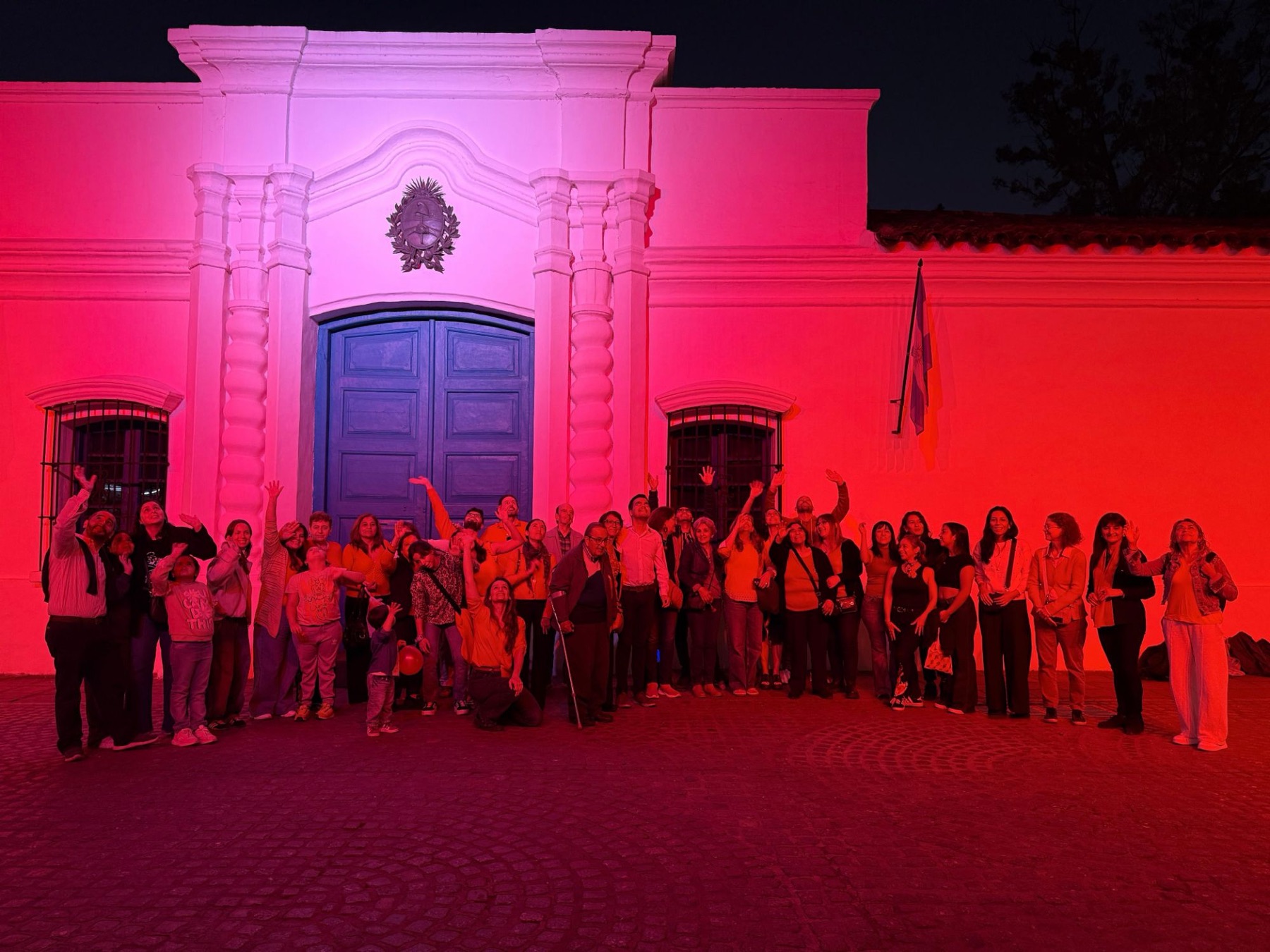 Community
On World Parkinson’s Day we gathered in front of the Casa Histórica with patients, families and health-care teams.
See our work with the communityIn Montevideo we presented our work alongside some 200 specialists from around the world.
View on Instagram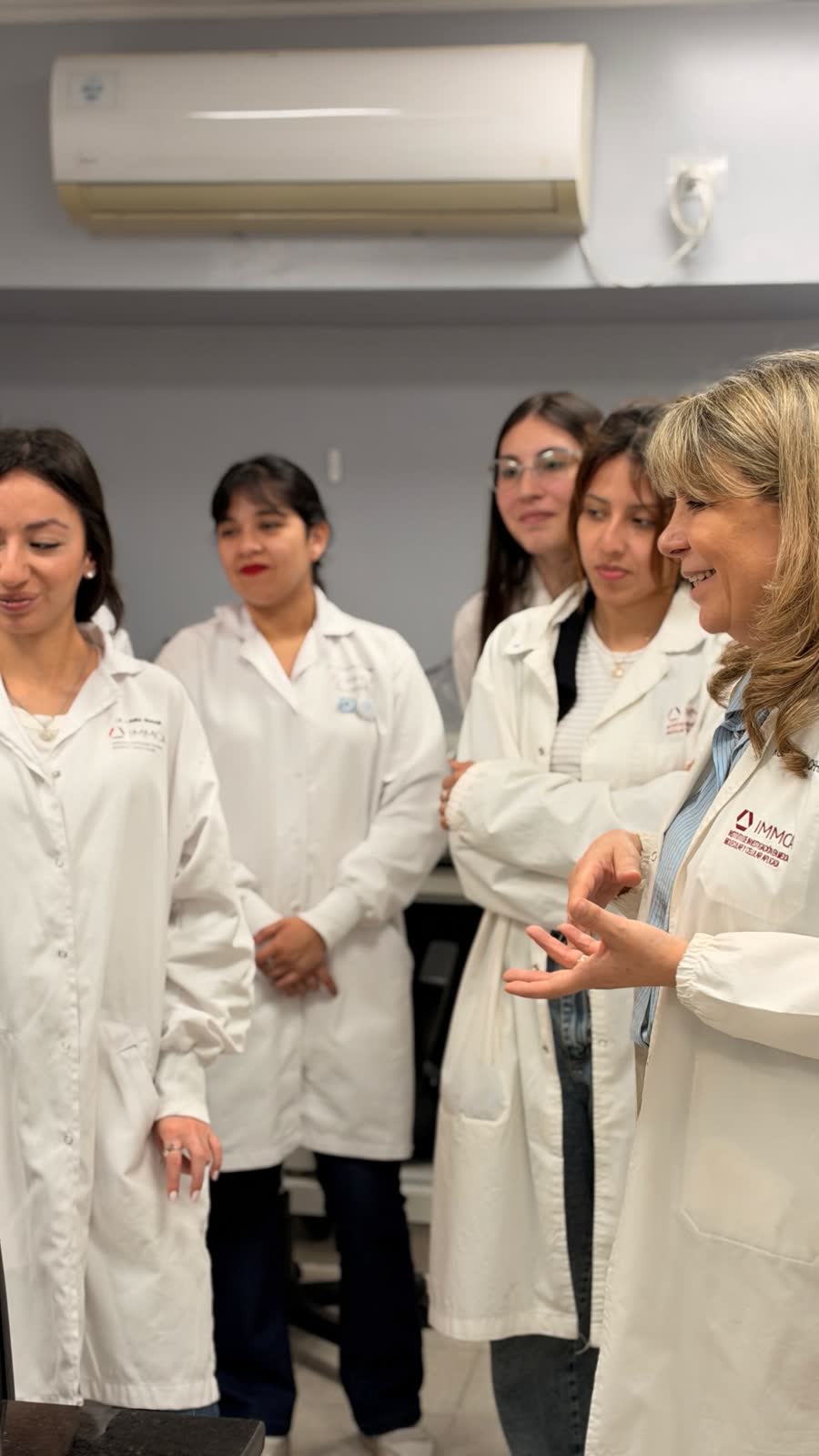
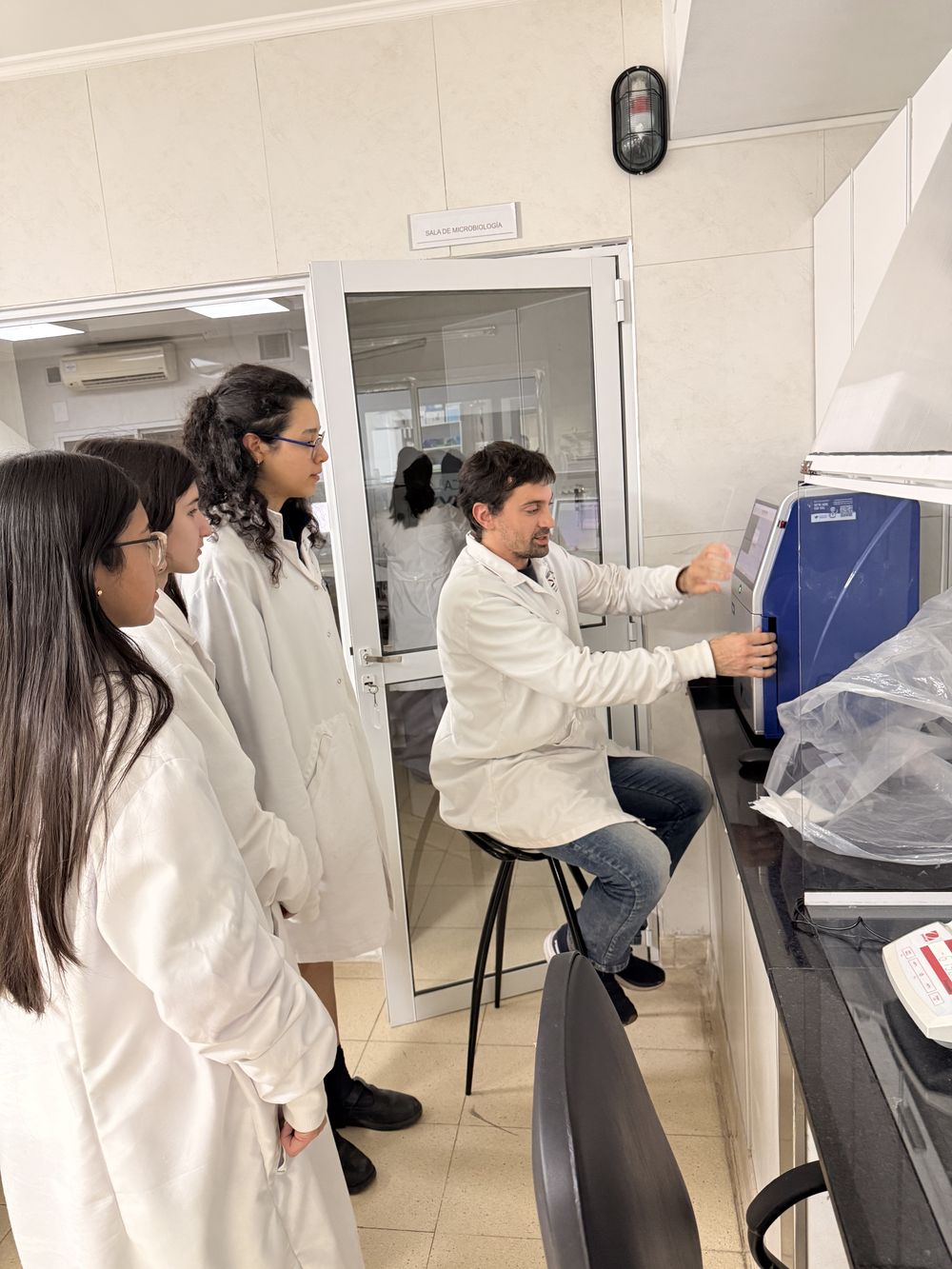
During the 27th Augusto Palavecino Scientific Conference, students and graduates learned about the research in our laboratories.
View on Instagram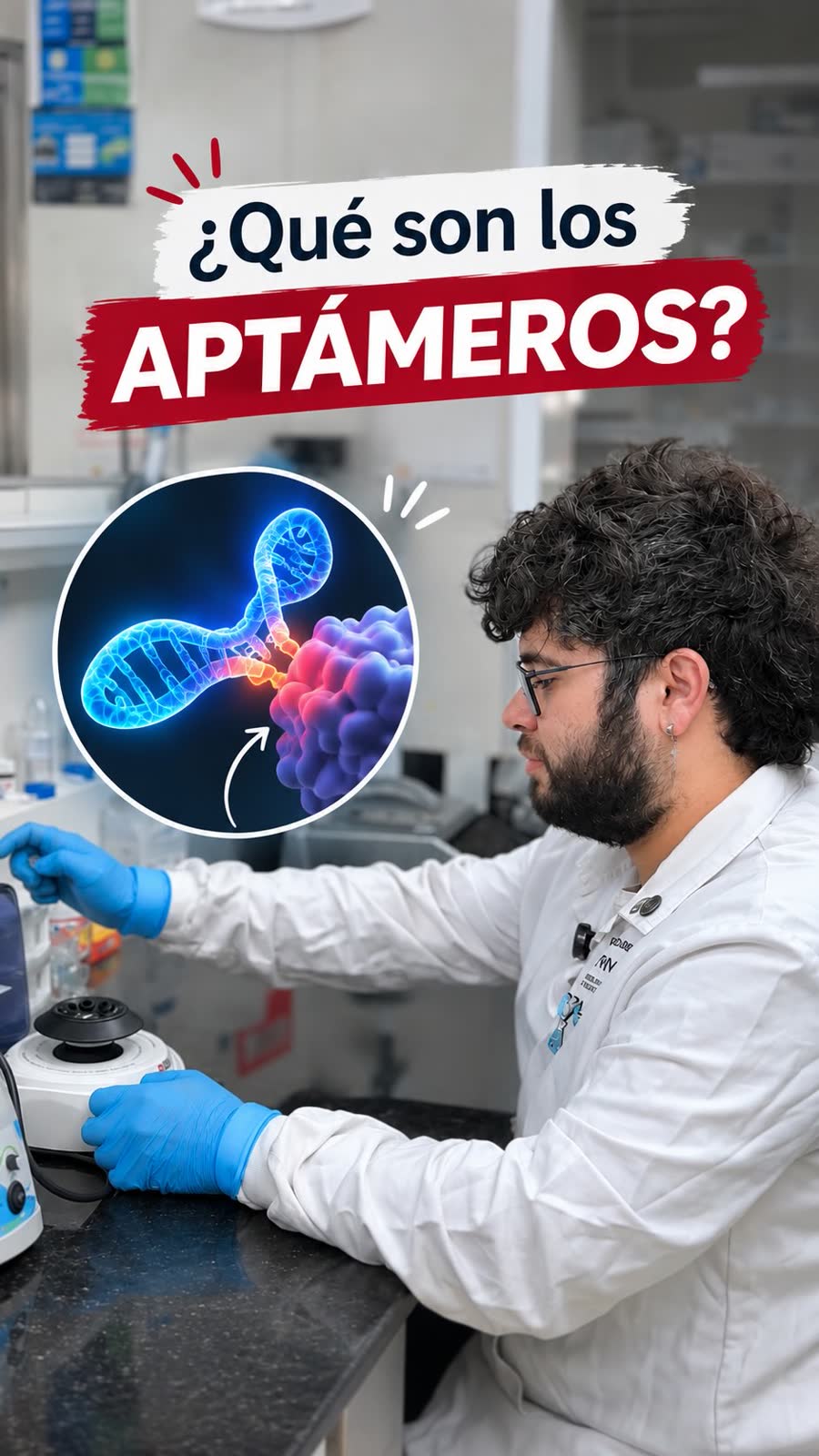
Álvaro Luna Mercado took part in the meeting of the Ibero-American Aptamer Network (REDIBA) and in an international course of the Argentine-Brazilian Biotechnology Center.
View on Instagram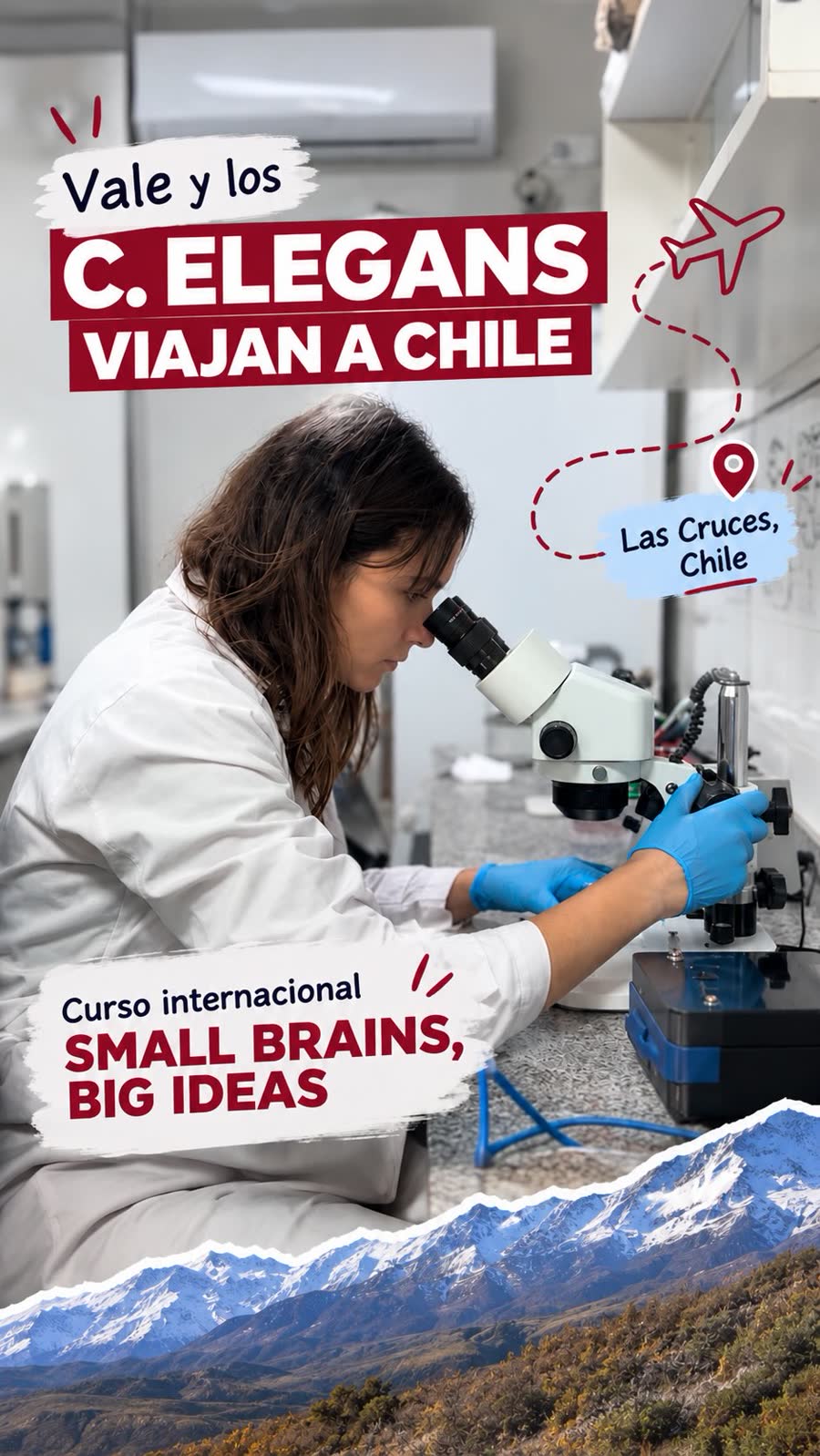
Valentina Budeguer, a doctoral student at IMMCA, is taking part in the international course “Small Brains, Big Ideas” in Las Cruces.
View on InstagramCONICET NOA Sur launched its services platform for northwestern Argentina. IMMCA offers five technology services there.
View on PLASENOA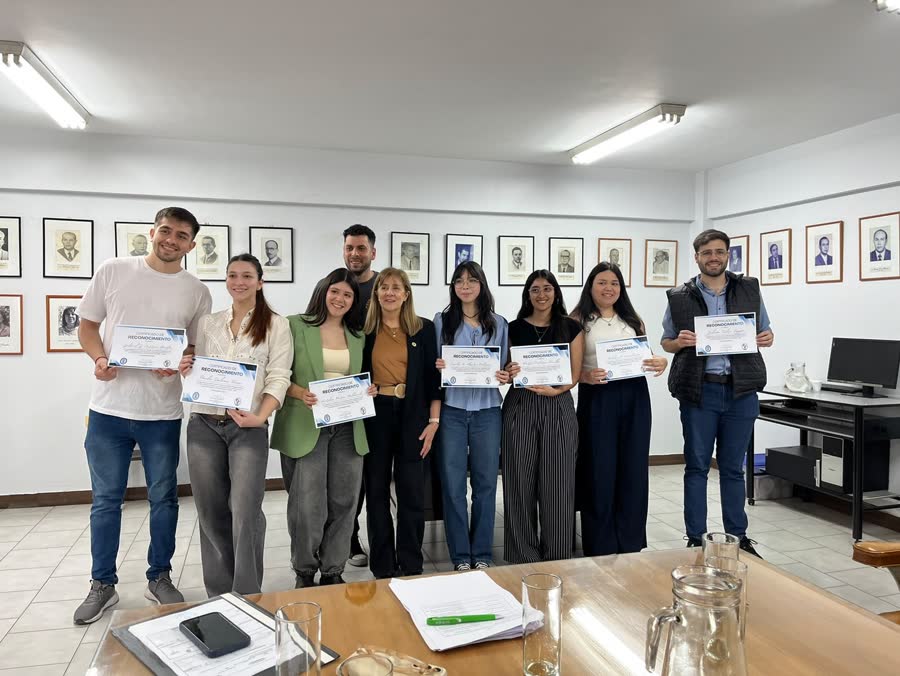
The UNT School of Biochemistry, Chemistry and Pharmacy recognized her work, which was selected for the AUGM Young Researchers Conference in Brazil.
View on Instagram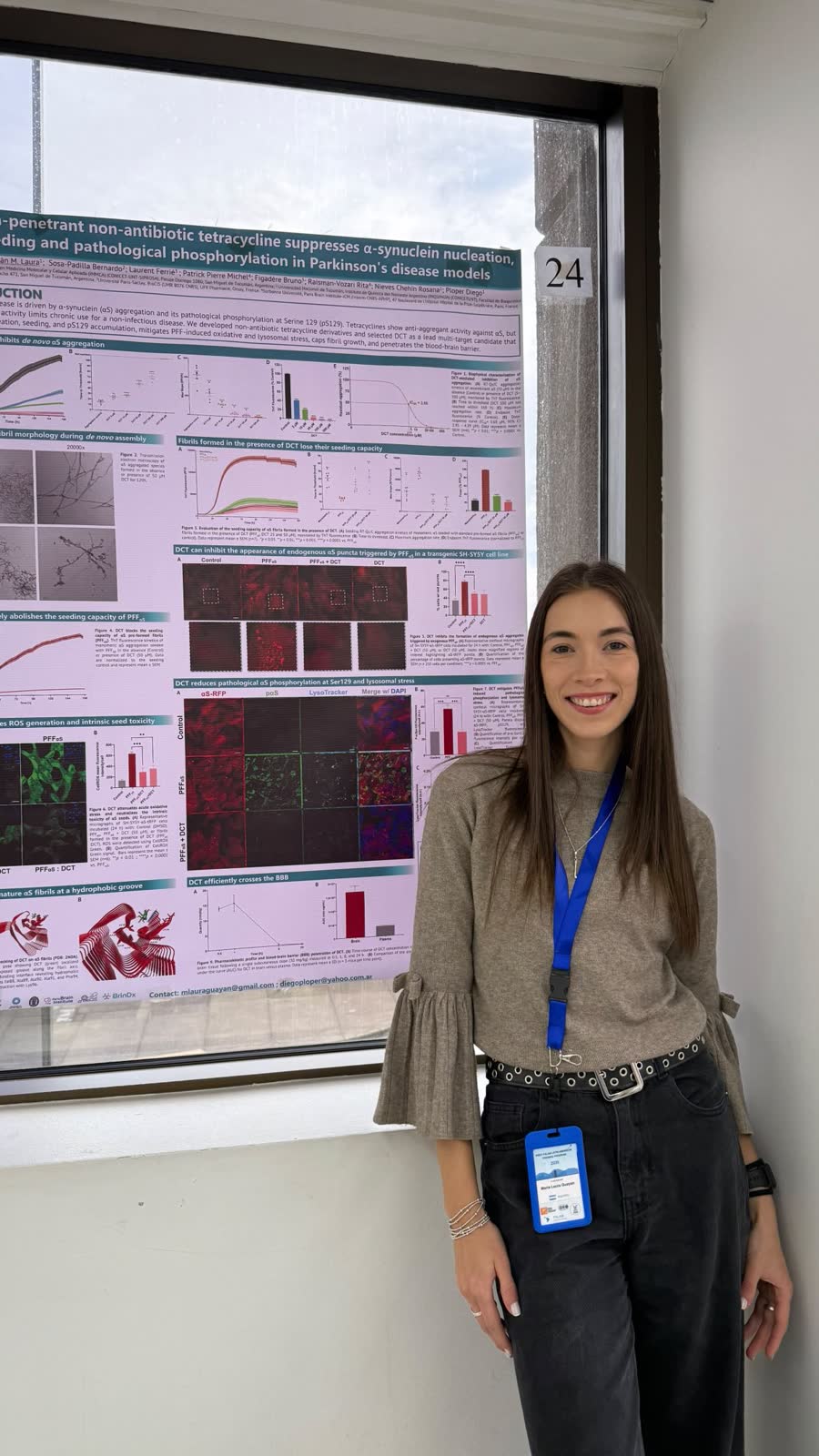
She was selected for the first Neuroscience School and presented her work at the FALAN congress, together with Valentina Budeguer.
View on Instagram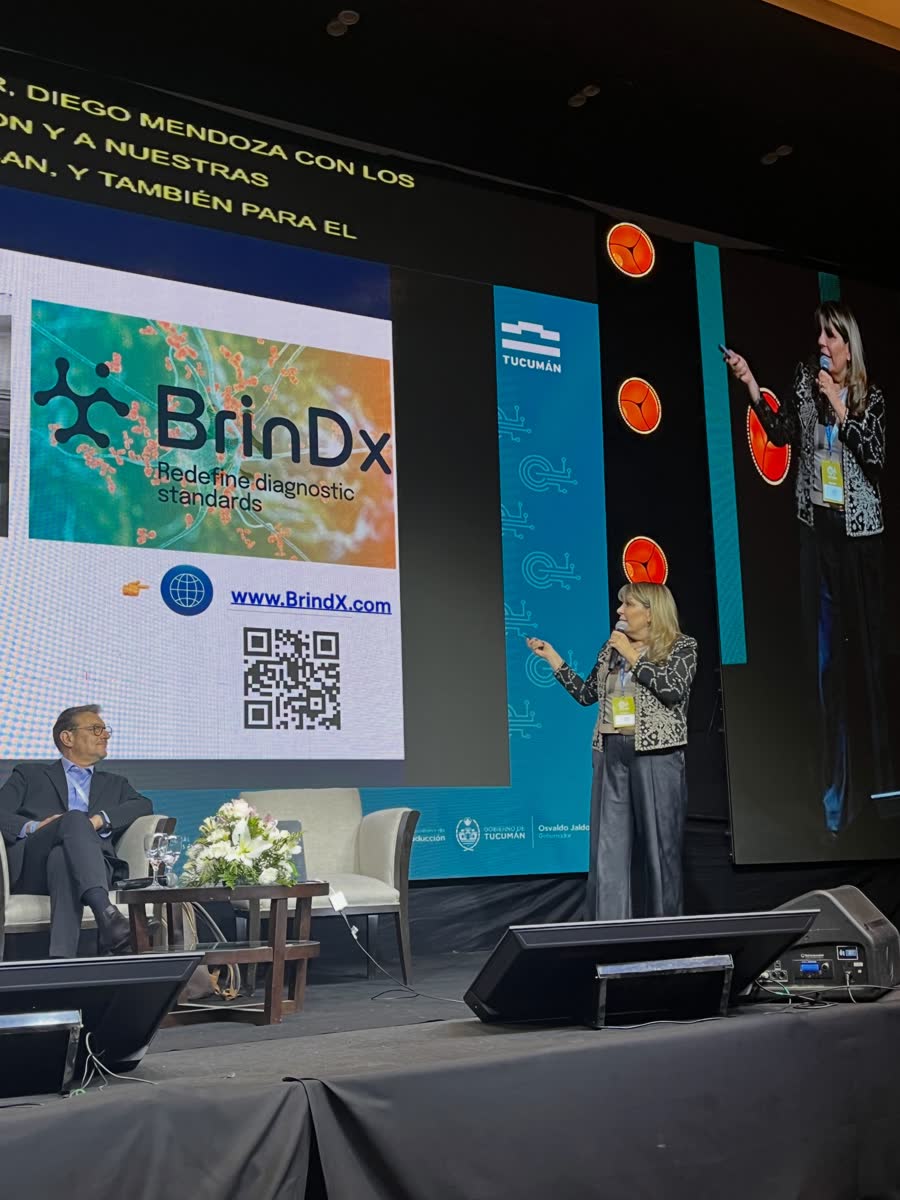
We told the story of how early questions about protein aggregation led to new technologies for neurodegenerative diseases.
View on Instagram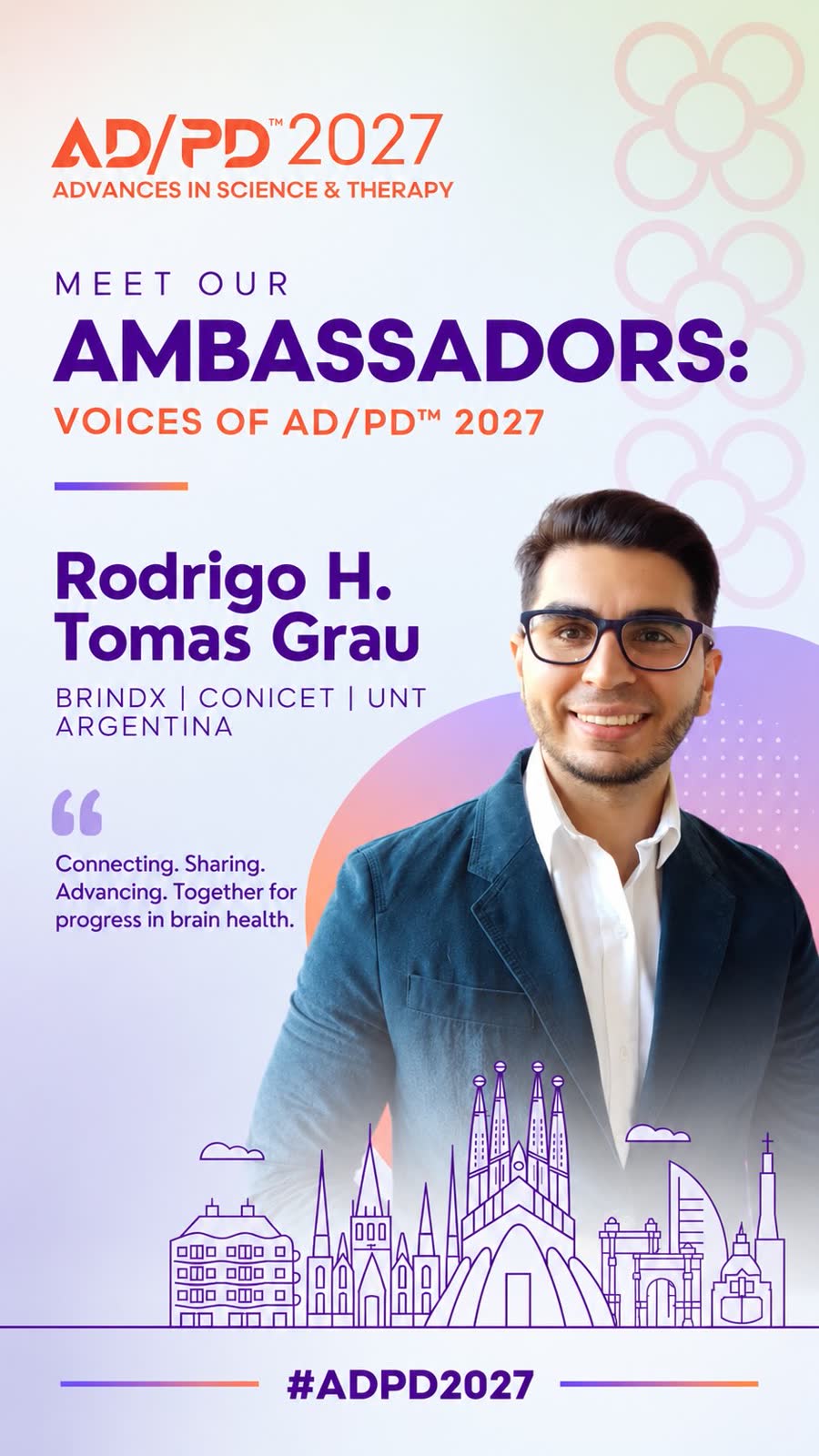
He was selected as an Ambassador for “Voices of AD/PD”, one of the leading international conferences on Alzheimer’s and Parkinson’s disease.
View on Instagram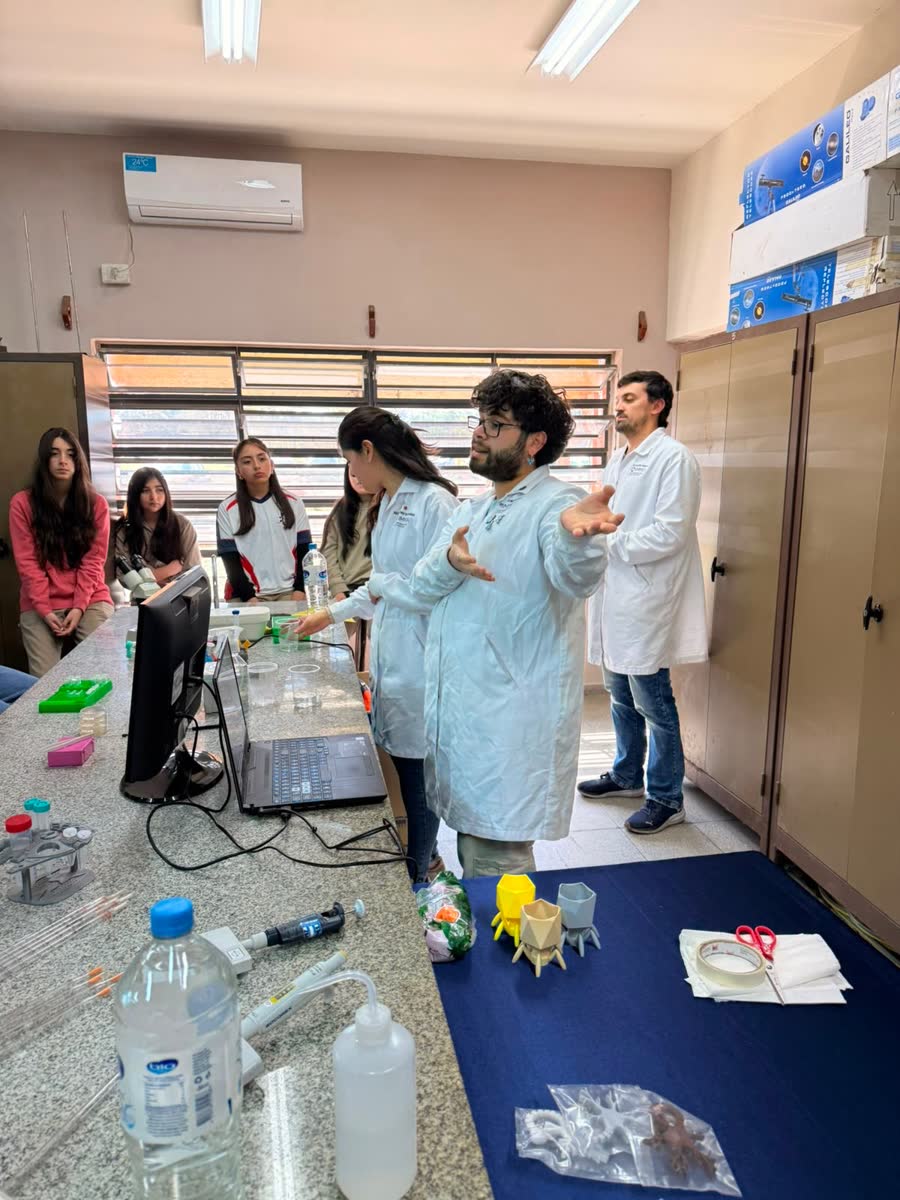
We welcomed students with stands and posters, and our director gave a talk at the Instituto Técnico de Aguilares.
View on Instagram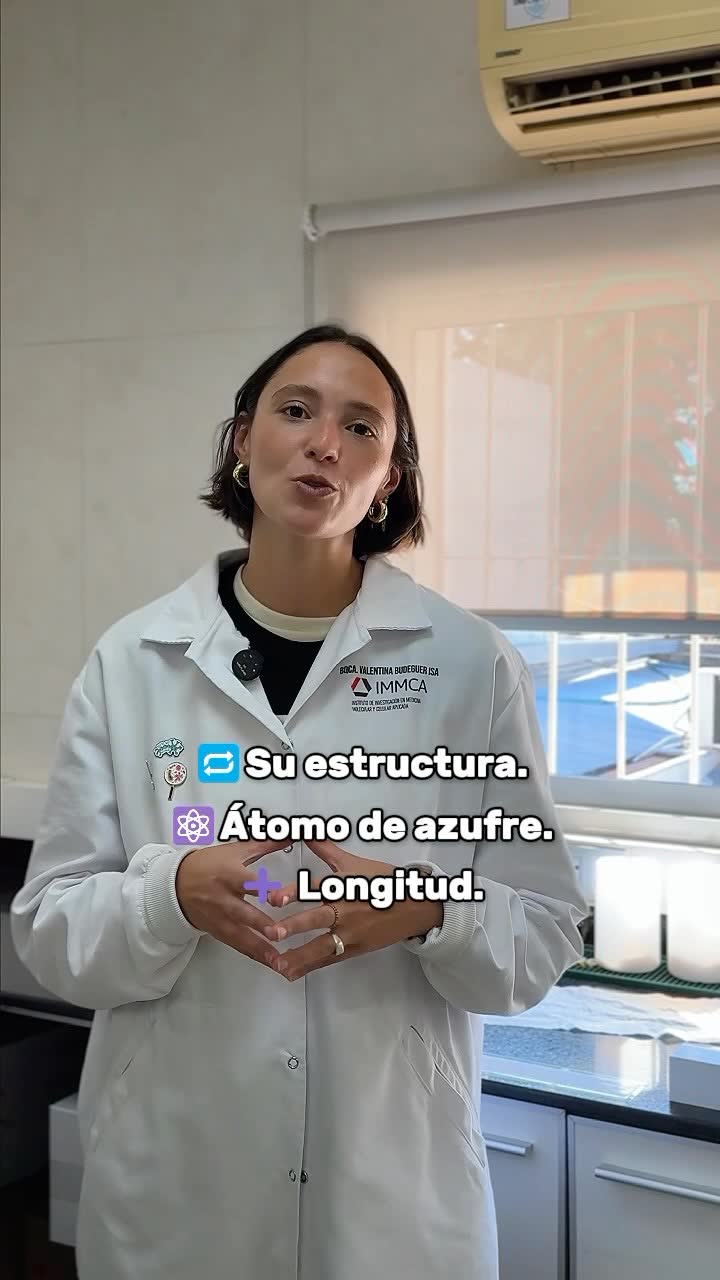
We redesigned the linker that joins the two parts of Pegasus and obtained three new molecules that retain its ability to interfere with alpha-synuclein aggregation.
View on InstagramAn initiative of IMMCA together with UNT, CONICET, the Ministry of Public Health, the City of San Miguel de Tucumán and Hospital Padilla.
Read on CONICET NOA SurResolution 1204/SPS/25 approves the agreement with SkyBio LLC and recognizes IMMCA as the site where the compound was developed.
Read on the Ministry websiteThe startup born at IMMCA won the Instituto Balseiro business plan competition, among 34 projects from across Argentina.
Read on IN TucumánIn preclinical studies, Pegasus, designed at IMMCA with UBA and SkyBio, improved symptoms and protected neurons.
Read on CONICETWhat we know about the disease today, and how the institute is working to diagnose it earlier.
Read on immca.conicet.gov.ar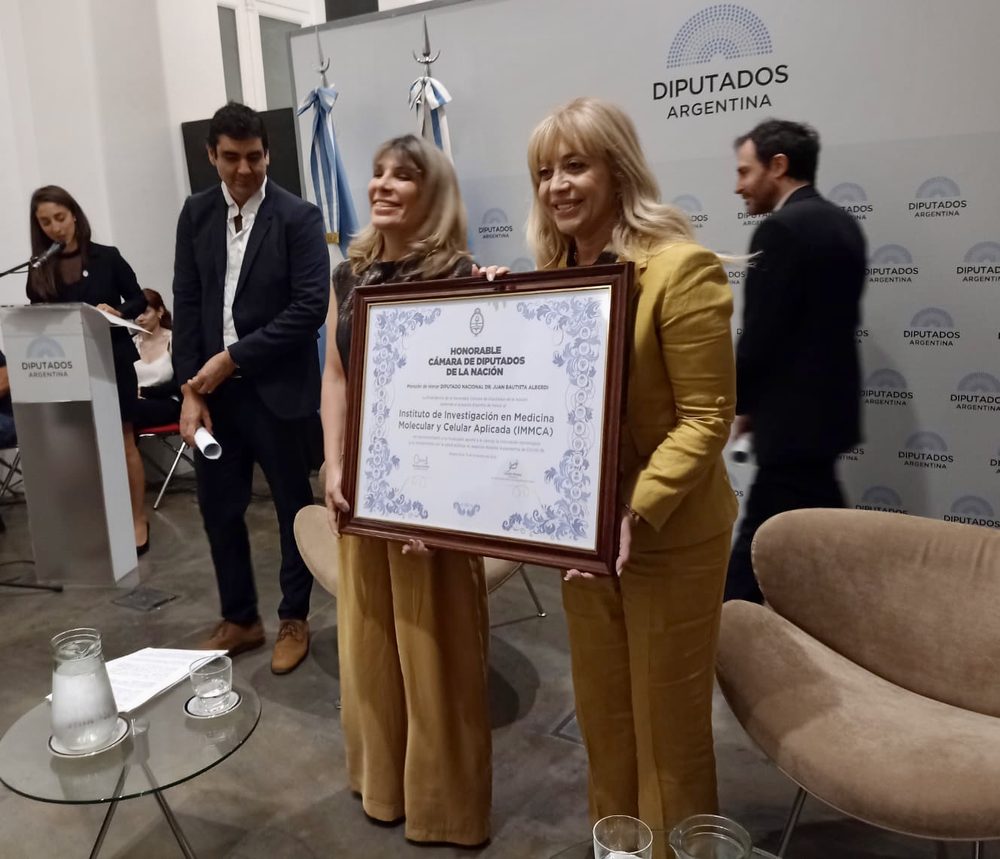
Recognition of IMMCA’s contribution to science and innovation, and of its commitment to public health during the COVID-19 pandemic.
New diagnostic methods for neurodegenerative diseases.
Read on immca.conicet.gov.arA serological test developed in Tucumán that delivered strong results during the pandemic.
Read on CONICETA study with IMMCA participation confirmed how long the response lasts after vaccination.
Read on CONICETThe director presented the IMMCA case: three parent institutions and close ties with the private sector.
Read on immca.conicet.gov.arAmyloid fibers to remove urethanes from export wines.
Read on immca.conicet.gov.arCooperation with French teams on Parkinson’s and Alzheimer’s disease.
Read on immca.conicet.gov.arBasic science, clinical research and partnerships with industry, backed by CONICET, UNT and SIPROSA.
Figures as of 17 November 2026. The articles are those published since the institute was created; the library also includes earlier work by the team.
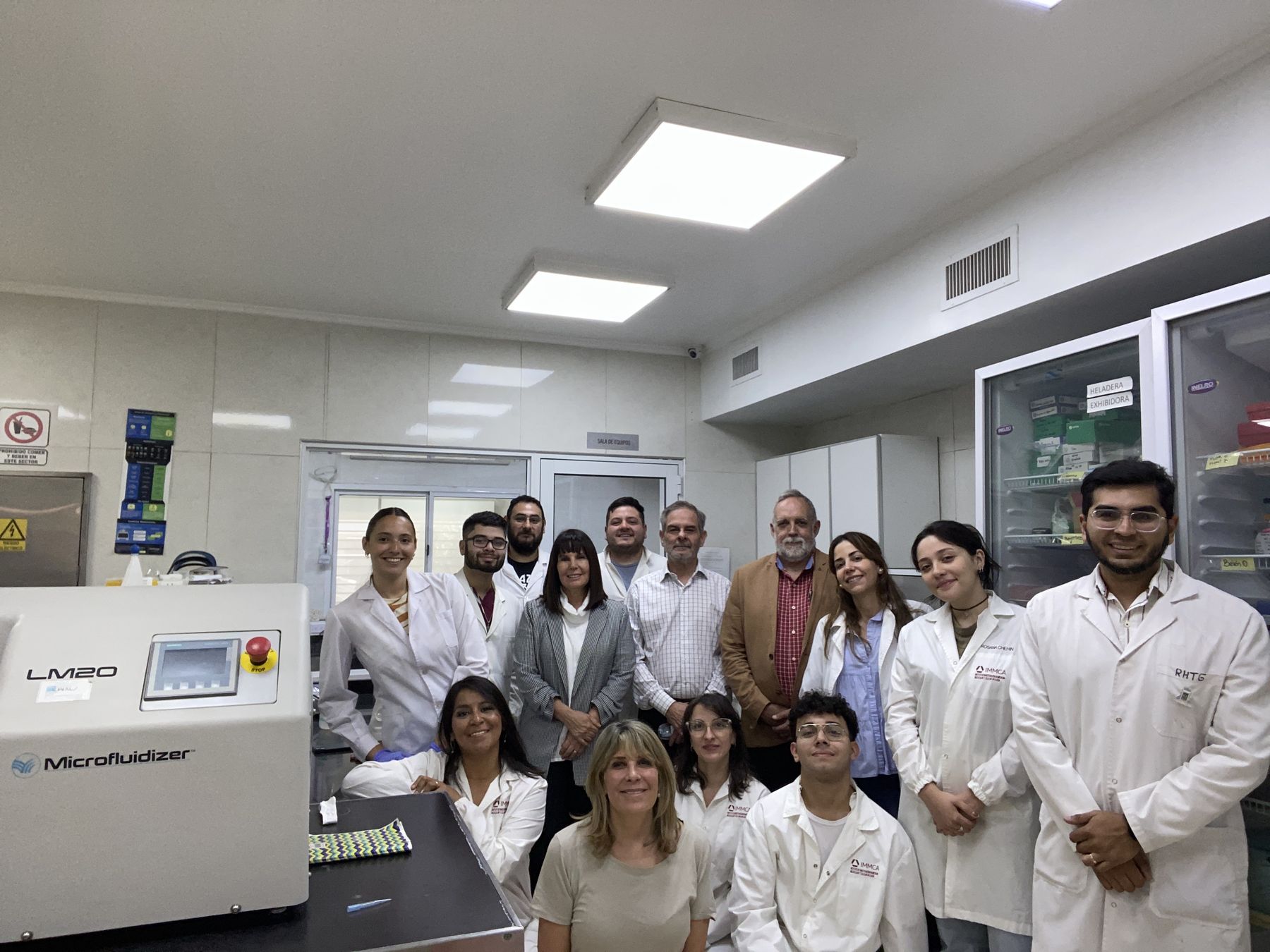
We started as a small protein biophysics group. When our questions moved closer to Parkinson's disease, we joined forces with the neurologists at Hospital Padilla. That alliance gave rise to an institute devoted to translational medicine.
A group is formed at INSIBIO to study amyloid aggregation from a physical perspective, still without cell cultures or in vivo models.
The group applies biophysics to the study of Parkinson's disease, and the neurologists at Hospital Padilla join in.
In November the formal request is submitted, taking the Paris Brain Institute as a model and including a 480 m² building project.
Scientific Reports publishes how doxycycline remodels toxic alpha-synuclein oligomers. The study is widely covered by the national media.
On May 23, CONICET, UNT and the Tucumán Ministry of Public Health sign the framework agreement. A memorandum with SkyBio is signed the same day.
CONICET, UNT, SIPROSA, FCEN-UBA and SkyBio sign an agreement to develop a new carrier to deliver dopamine to the central nervous system.
The institute places its platforms at the service of public health: diagnosis, immunity and the neurological sequelae of SARS-CoV-2.
Aristaeus agreement: a diagnostic device based on tetracycline derivatives that bind to a biomarker of the disease.
La patente del candidato a fármaco para Parkinson se aprueba en Estados Unidos y en la Unión Europea, y sigue en trámite en otros seis países. En 2025 se aprueba su licencia a SkyBio LLC.
Pegasus completes its preclinical evaluation, in cell and animal models, and the pre-IND package for the FDA is ready. It has not been tested in people yet.
Scheduled for February: the step before requesting authorization for first-in-human studies.
IMMCA was founded in Tucumán to bring biomedical research closer to the needs of the public health system. Questions that arise in patient care help guide work in the lab. In turn, lab findings can become new diagnostic tools and therapeutic strategies. This two-way exchange is the basis of translational medicine.
The National University of Tucumán, CONICET and the Tucumán Provincial Health System (SIPROSA) created the institute building on the biomedical research teams and projects already active in the province. SIPROSA provided the site at Dorrego 1080, where the first stage of the building was constructed, with spaces for cell culture, confocal microscopy and protein production.
Since then, IMMCA has expanded its facilities and acquired equipment to study disease mechanisms, develop new technologies and assess their potential use in health care.
The model: the Paris Brain Institute (ICM) at the Pitié-Salpêtrière Hospital, Paris
UNT and CONICET contribute the researchers, the training of fellows and the underlying scientific questions.
SIPROSA contributes the building, the services and something even more valuable: patients' real-world problems and clinical studies.
Private partners such as SkyBio fund development and bring the results to market: new drugs and diagnostic methods.
Translational medicine science, healthcare and industry working together
Three areas of work that have guided the institute since its first director.
Our own laboratories at Dorrego 1080, San Miguel de Tucumán, with advanced equipment for molecular and cell biology.
A room with an airlock and HEPA-filtered positive pressure, for work with cell lines such as SH-SY5Y, HEK and BV2.
High-resolution imaging of cells, tissues and model organisms.
Expression, cell disruption and purification of recombinant proteins such as alpha-synuclein and tau.
Protein aggregation, particle size and optical microplate assays.
Sample storage and material preparation.
Researchers, companies and organizations can use this equipment through our technology services.
See our services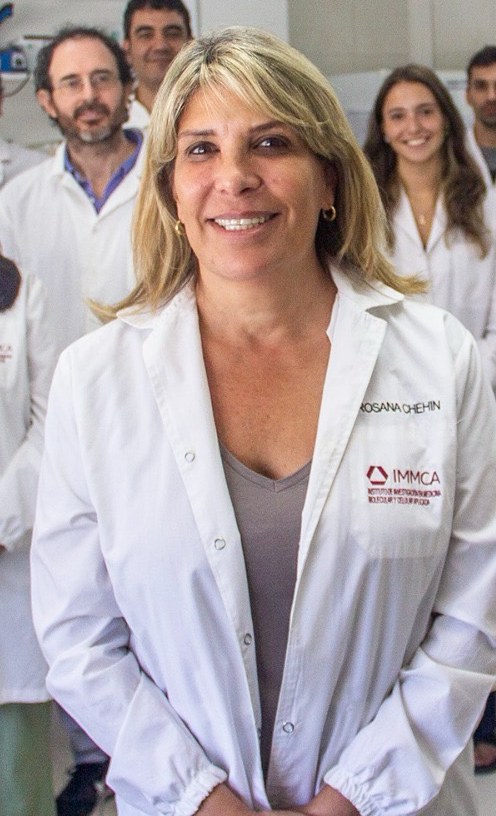
Director of IMMCA
CONICET Principal Researcher and Full Professor of Biological Chemistry at the National University of Tucumán. She graduated in Biochemistry at the top of her class and earned her PhD in Biochemistry with the highest distinction.
She trained in protein spectroscopy at the University of the Basque Country and was a visiting professor at Université Paris-Est. She served as UNT Secretary of Science, Art and Technological Innovation, and is currently a member of the Tucumán Academy of Medical Sciences and of the editorial board of Frontiers in Aging Neuroscience.
We aim to diagnose earlier and treat better Parkinson's disease and other neurodegenerative disorders.
Each line links basic science with results that go beyond the laboratory: patents, kits, licenses and services. Lines marked VT involve technology transfer partnerships with companies or institutions.
We redesign tetracyclines, well-known antibiotics, so that they protect neurons without acting as antibiotics. This is how Pegasus was born, a drug candidate currently in the preclinical stage.
We want to detect the disease before motor symptoms appear: a biosensor, new PET radiotracers and the RT-QuIC technique using locally produced reagents, with the goal of applying it to blood samples.
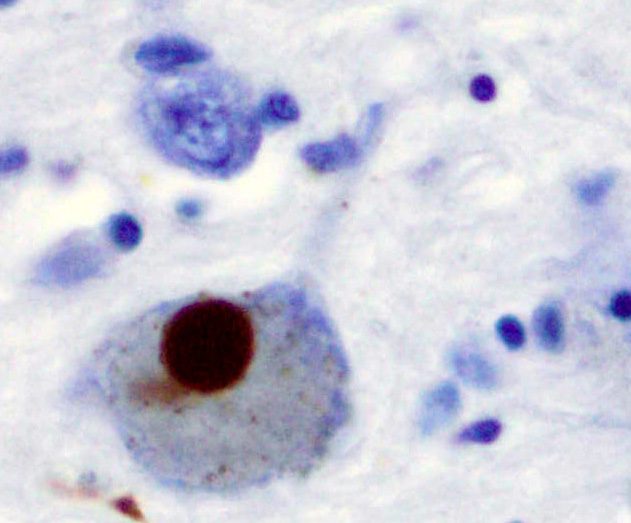
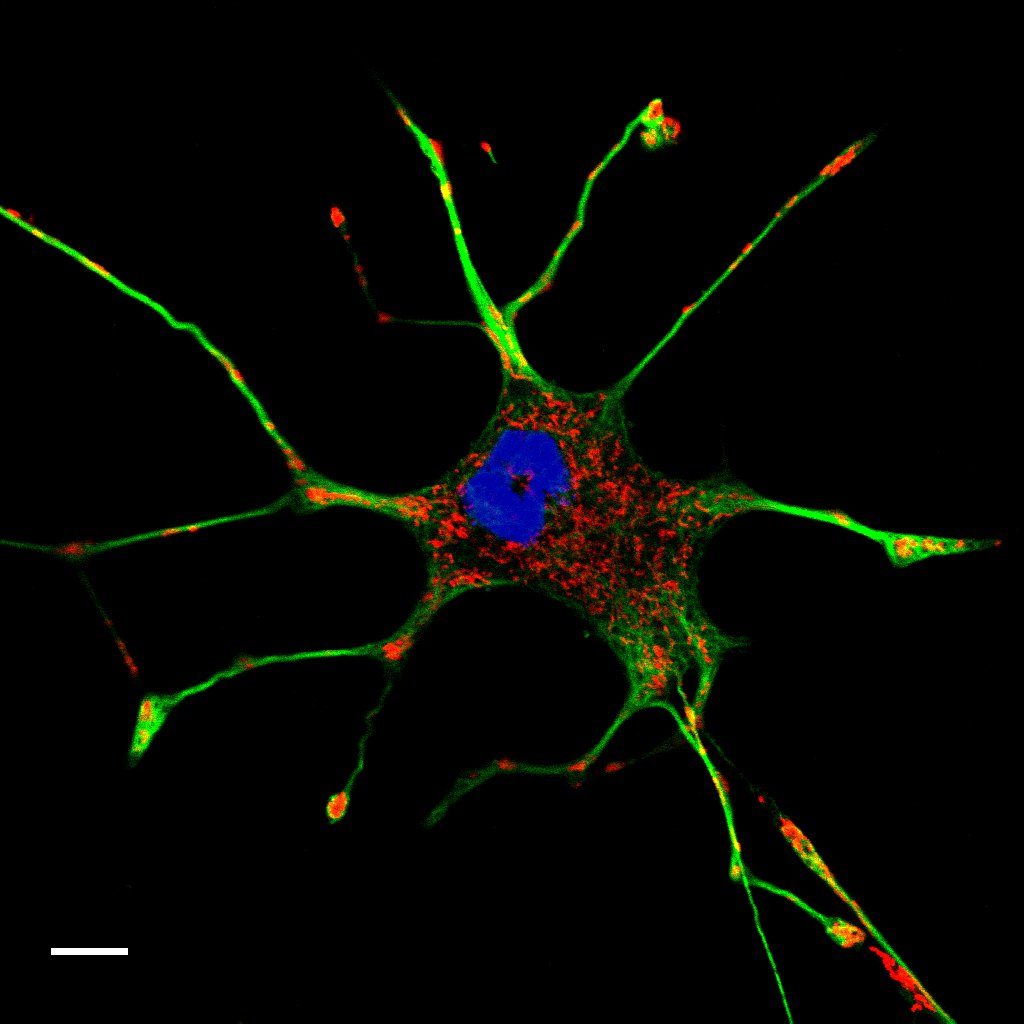
We study how alpha-synuclein, tau and other proteins form toxic aggregates, using new experimental models, and the genetics of Parkinson's disease in Latin America.
During the pandemic we placed the institute at the service of public health with our own SARS-CoV-2 antibody test. Today we study the effects of the virus on the brain.
We produce alpha-synuclein and tau as monomers, fibrils and fluorescent fibrils for other laboratories, and we use amyloid fibrils as enzyme supports for biodiesel, wine and olive oil applications.
 In progress · Early diagnosis
A biomarker is a measurable signal in the body that shows a disease is present or progressing. Most neurological biomarkers in use today, such as NfL, GFAP or pTau, measure how much protein there is, and they can also rise for other reasons.
RT-QuIC, a seed amplification assay (SAA), measures something else: whether the sample contains misfolded alpha-synuclein able to pass its shape on to other proteins, the biochemical hallmark of Parkinson’s disease. It can detect one aggregate among a billion normal molecules.
They measure amount or damage. Indirect.
Detects the protein form that spreads the disease.
Lewy bodies, the typical lesion of Parkinson’s, are found to be made of alpha-synuclein.
First detection of aggregated alpha-synuclein in cerebrospinal fluid using RT-QuIC.
It is detected in blood, a key step toward a simpler test.
The FDA issues a letter of support for the alpha-synuclein assay as a biomarker for research.
It allowed us to move forward with implementing a diagnostic test for neurodegenerative diseases.
The assay needs recombinant human alpha-synuclein, which costs about USD 1,020 per milligram. We produce it at IMMCA: 100 mg per month.
We set up the assay with locally produced reagents and, together with ANLIS-Malbrán, are validating it in cerebrospinal fluid, the sample type where the technique is best established. In parallel we are implementing quality management systems.
Through a CONICET PIETR project we are exploring the use of RT-QuIC on neuron-derived extracellular vesicles isolated from plasma. This line is still under development: it is not an available test yet.
We also offer technology services using our equipment and support startups such as BrinDx.
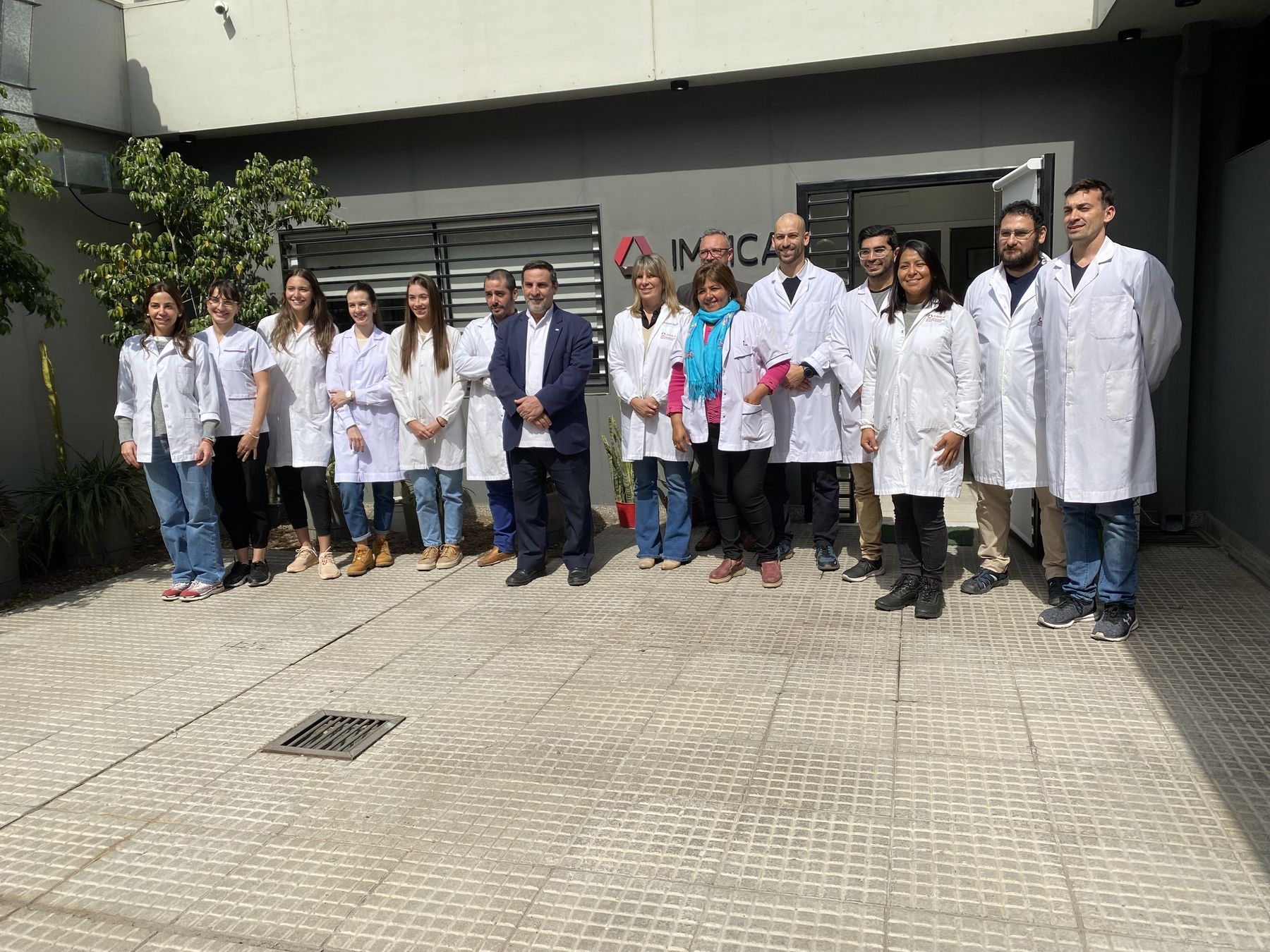
Each name links to the person's official CONICET profile, with their research topics, projects and publications.
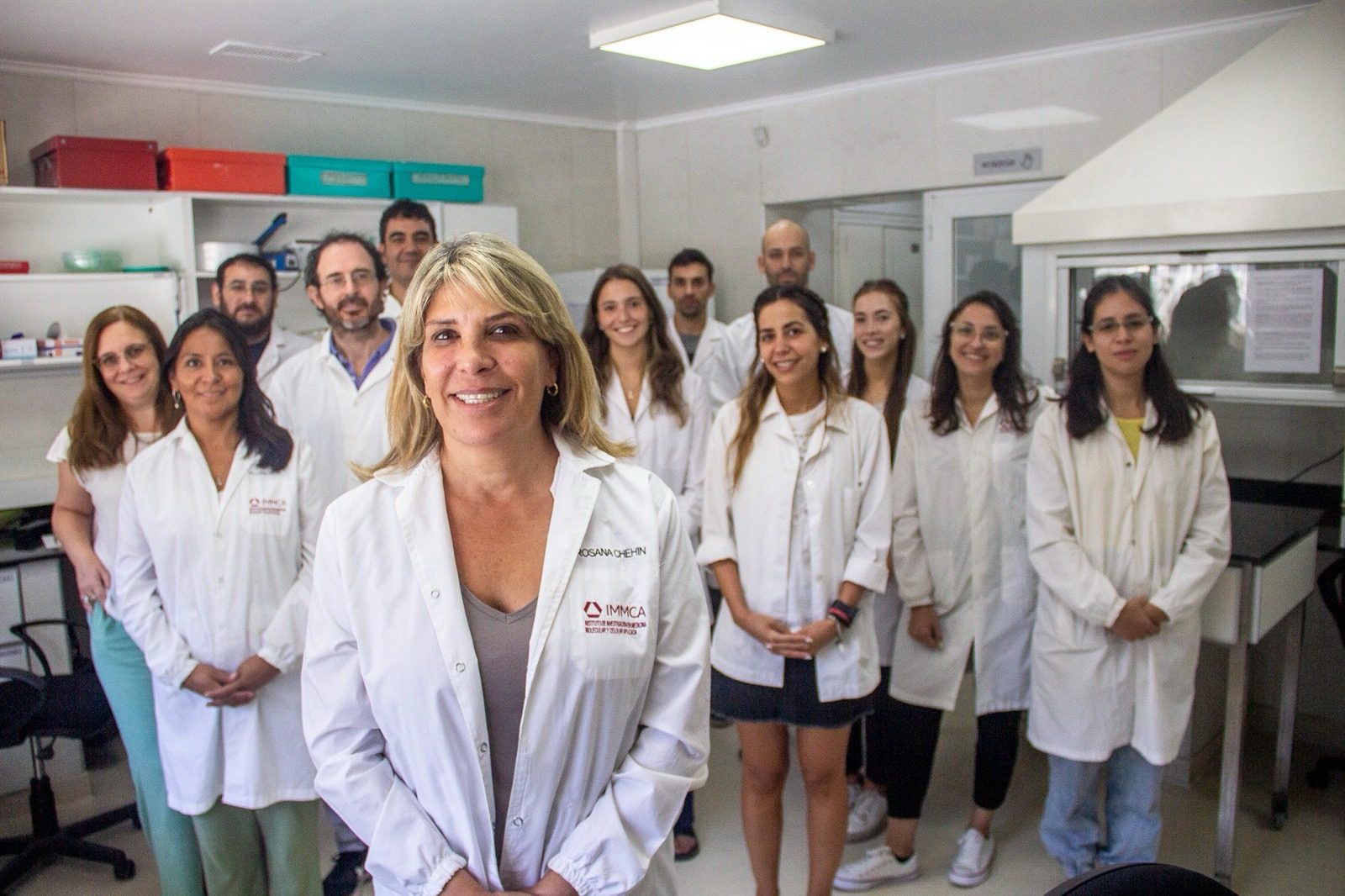
Source: IMMCA's official profile on CONICET (BICyT). The team also includes UNT faculty, thesis students and undergraduate students.
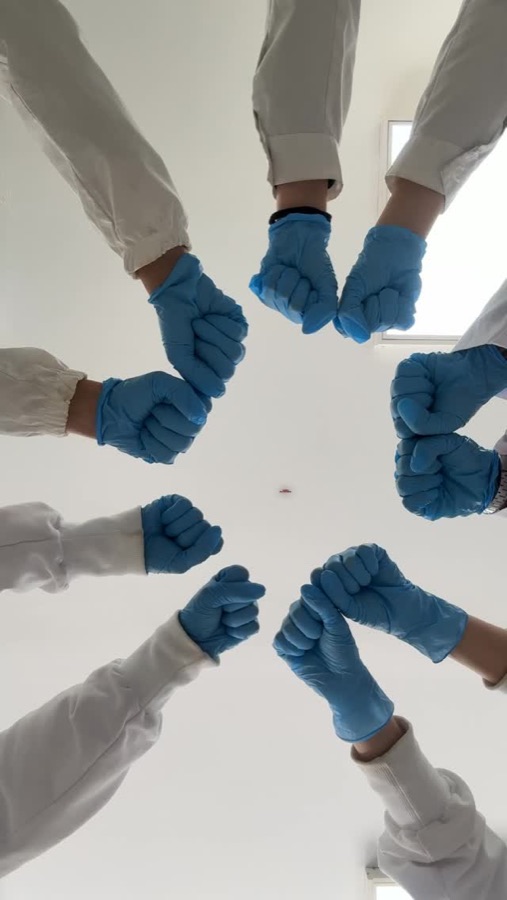
Besides doing science, we have fun. We're competitive, a little crazy and not afraid of looking silly: end-of-year parties, challenges, dancing and plenty of humor. That's who we are, inside and outside the lab.
If you are interested in doing your undergraduate thesis, PhD or postdoc in neuroscience, protein biophysics or health biotechnology, we would like to hear from you.
For advanced students of Biochemistry, Biotechnology and related degrees. You can apply for CIN or CIUNT undergraduate research scholarships.
With CONICET doctoral fellowships, including those for strategic topics, through the UNT doctoral program.
With CONICET postdoctoral fellowships, to join an ongoing research line or propose your own.
Want to join us? Tell us what you're interested in and we'll guide you.
Contact usThree decades of work by the group, including papers from before the institute was created in 2018. That is why there are more than the 30 articles counted in the IMMCA figures. Open-access papers can be read right here; the rest, in the journal.
7researchers
We are a small team. This is what we have produced since 2018.
We also have a regular presence at national and international conferences, with presentations and invited talks.
Averages over 7 researchers and 9 years (2018–2026). Institute profile at CONICET
Co-authors in 13 countries
Two international patent families, with SIPROSA as co-owner alongside CONICET, UNT, UBA and SkyBio LLC.
Designed and evaluated at IMMCA after more than a decade of research into the molecular basis of the disease, and synthesized at UBA.
Licensed to SkyBio LLC · preclinical stageA biosensor based on tetracycline derivatives that bind to aggregated alpha-synuclein. National phase applications filed in eight countries. Licensed to SkyBio LLC.
Favorable office action in the US, November 2026
Pegasus (DAD9) is a drug candidate for Parkinson's disease designed at IMMCA. It has not yet reached patients: it has completed the preclinical stage and is now preparing to request FDA authorization for first-in-human studies.
Status as of 17 November 2026
Scaled-up synthesis with GMP certification. Patents in 8 jurisdictions and an exclusive license to SkyBio LLC.
Toxicity, safety pharmacology, pharmacokinetics, drug interactions and behavioural studies in C. elegans, mice (including the A53T model), rats and beagle dogs. Formulation tested across all evaluated species.
The pre-IND package for the FDA is complete, with the meeting scheduled for February 2027. It is the step before requesting authorisation for the first studies in people.
Only if authorized by the FDA. Only then can its effect in patients be evaluated.
More than a decade of research, from protein biophysics to a drug candidate.
In Parkinson's disease, alpha-synuclein forms toxic aggregates and dopamine-producing neurons are lost. Dopamine itself, in turn, does not reach the brain well when given as a drug.
Since 2017 we have studied how doxycycline transforms alpha-synuclein aggregates. Building on that knowledge, we designed a tetracycline without antibiotic activity linked to dopamine: DAD9, Pegasus.
In experimental models, Pegasus interferes with alpha-synuclein aggregation and seeding, oxidative stress and neuroinflammation, while activating dopamine receptors without forming the toxic derivatives of free dopamine.
Acute and sub-chronic toxicity, safety pharmacology, pharmacokinetics and ADME, drug–drug interactions, route of administration and behavioural studies, in C. elegans, mice (including the A53T Parkinson’s model), rats and beagle dogs. The studies were carried out together with KeifeRX, Georgetown University and Eurofins.
International patent approved in the US and the EU, and pending in other countries. Licensed to SkyBio LLC, as approved by Resolution 1204/SPS/25 of the Ministry of Public Health.
The pre-IND package is complete and the meeting with the FDA is scheduled for February 2027. The next challenge is to determine whether this profile translates into a benefit for patients.
A technology-based company working toward earlier diagnosis of neurodegenerative diseases, starting with Parkinson's disease.
It was founded when members of the institute decided to create a company to bring their developments to market. Its team brings together UNT students and graduates with CONICET and SIPROSA researchers. It works on nano-radiotracers for diagnostic imaging, and offers recombinant proteins and assay kits for research. Together with the institute, it seeks to adapt the RT-QuIC technique, using locally sourced reagents, so that it works in blood.

CONICET High-Level Technology Services (STAN) for companies, public agencies and R&D institutions. Five of them are listed on PLASENOA, the CONICET NOA Sur services platform.
We test whether compounds, extracts or formulations modify tau and alpha-synuclein aggregation, and we study seeding-competent aggregated proteins in biological samples.
Cytotoxicity, metabolic activity, membrane damage, oxidative stress and inflammatory response, to select candidates before moving to more complex models.
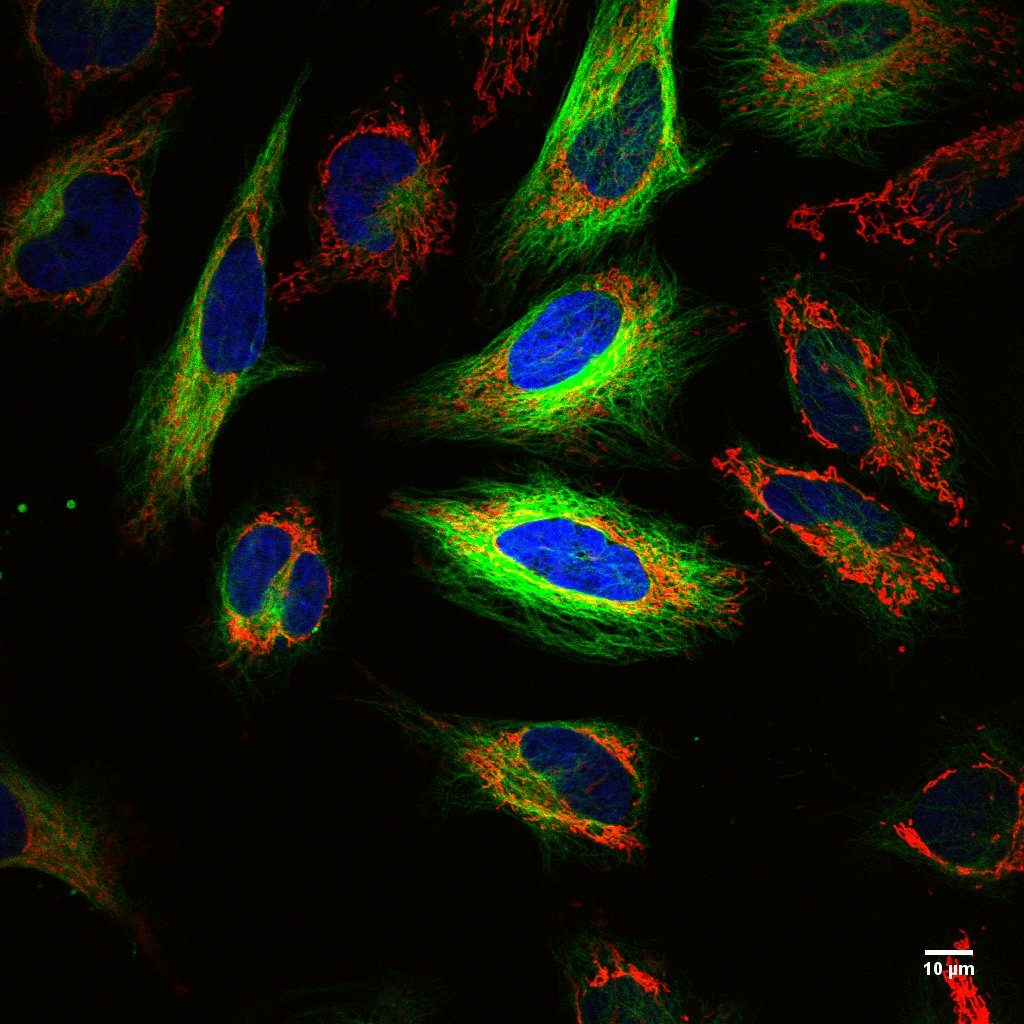
Imaging with a Zeiss LSM 800: marker localization, colocalization, cell morphology and three-dimensional reconstruction.
Dynamic light scattering (DLS): size, distribution, aggregation and zeta potential of nanoparticles, vesicles, protein complexes and formulations.
Assays on a TECAN Spark multimode reader: kinetics, enzyme activity and concentration-response curves.
Data processing, analysis and interpretation for R&D projects, publications and presentations.
ELISA with S-RBD antigen, developed to strengthen diagnostic capacity at the Tucumán Ministry of Health.
We also sign R&D agreements with companies, such as those with SkyBio and BACON SAIC. View on PLASENOA · View on CONICET
Tell us what you need and we will reply with availability, terms and a quote.
Services coordinator
Sabrina Sequeira
Or write to her directly…
 April 11, 2026 · World Parkinson's Day
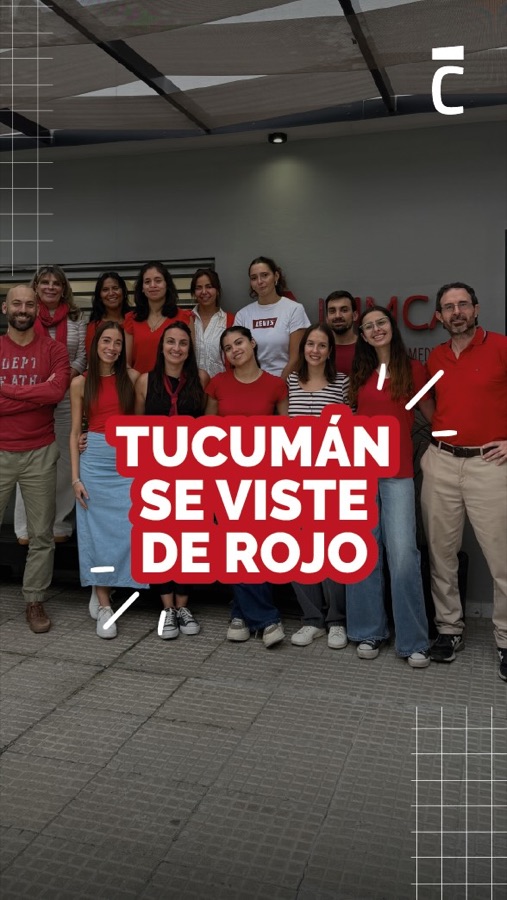
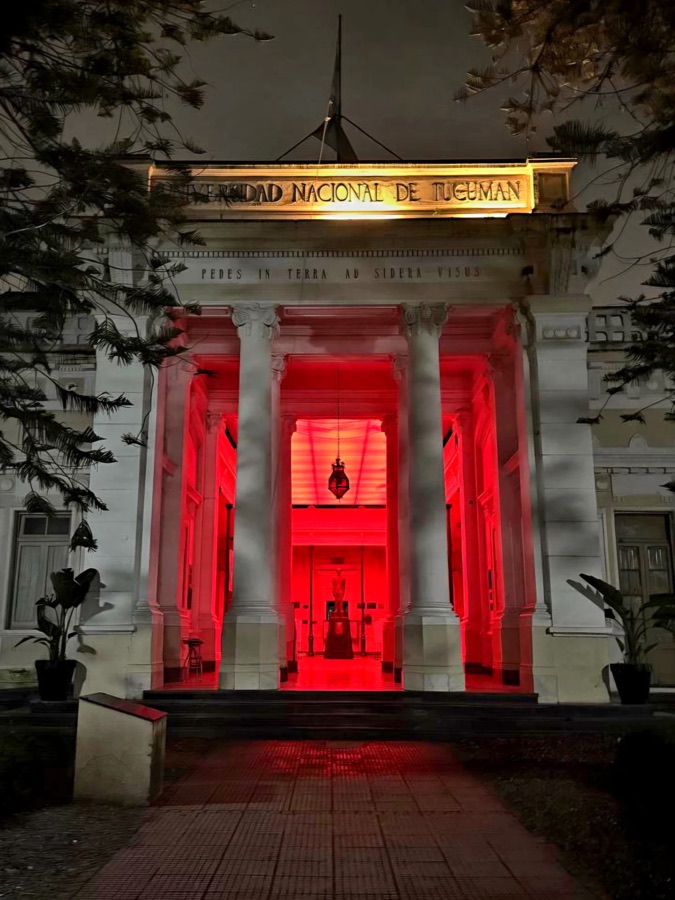
At IMMCA's initiative, the Casa Histórica de la Independencia, the Bicentennial Monument, the UNT Rectorate, the MUNT, the Virla Cultural Center and other buildings in the province were lit up in red at 7 p.m., as in many cities around the world.
Red is the color of the tulip, the international symbol of the disease. Researchers, fellows, patients, families and caregivers gathered in front of the Casa Histórica for readings, music and dance. We asked the community to wear something red and to share the message: a disease that is often silent needs to be seen.
“Raising awareness is a fundamental step toward improving the quality of life of people with Parkinson's disease.”Rosana Chehín, Director of IMMCARead the story on CONICET NOA Sur
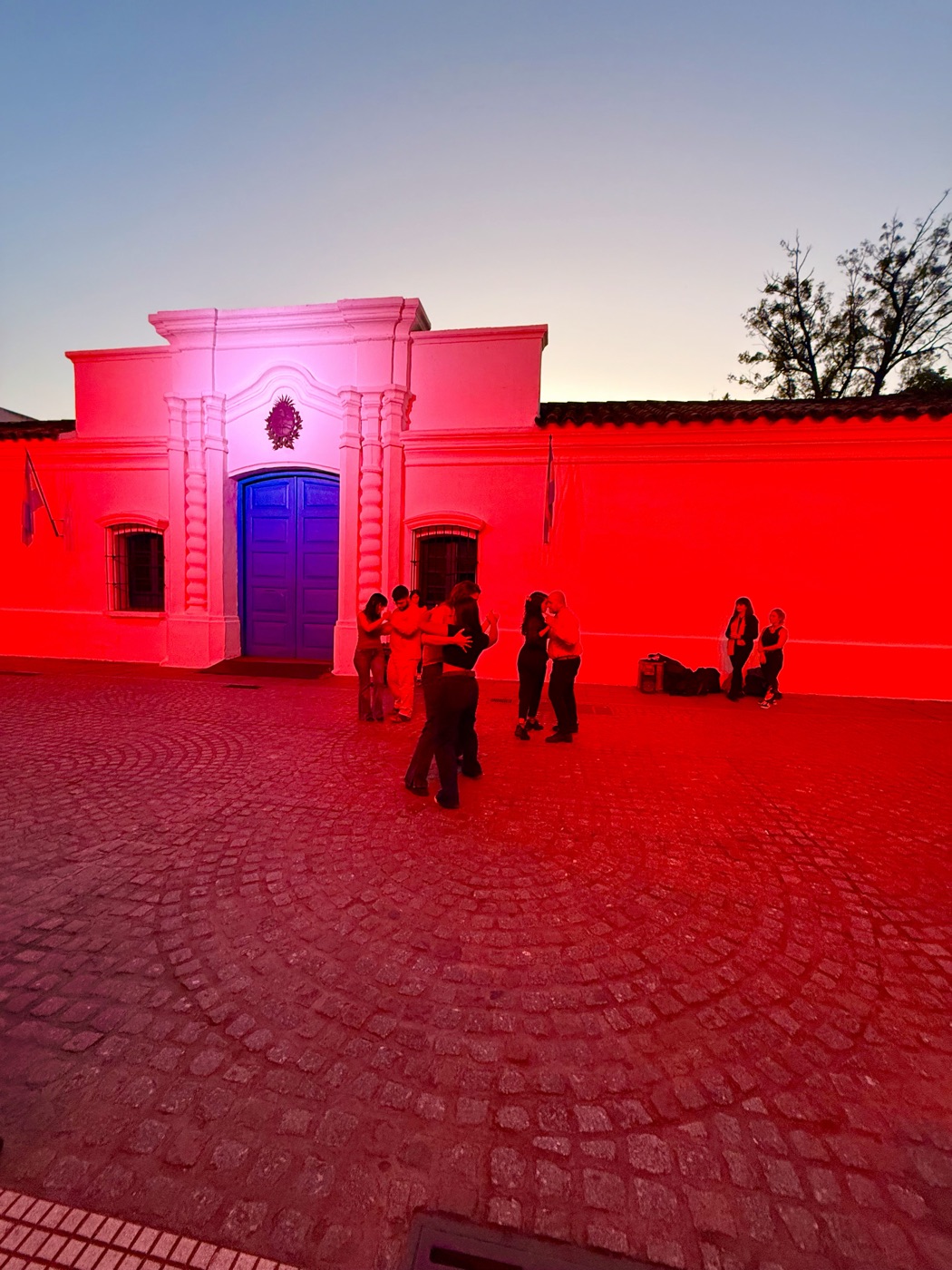
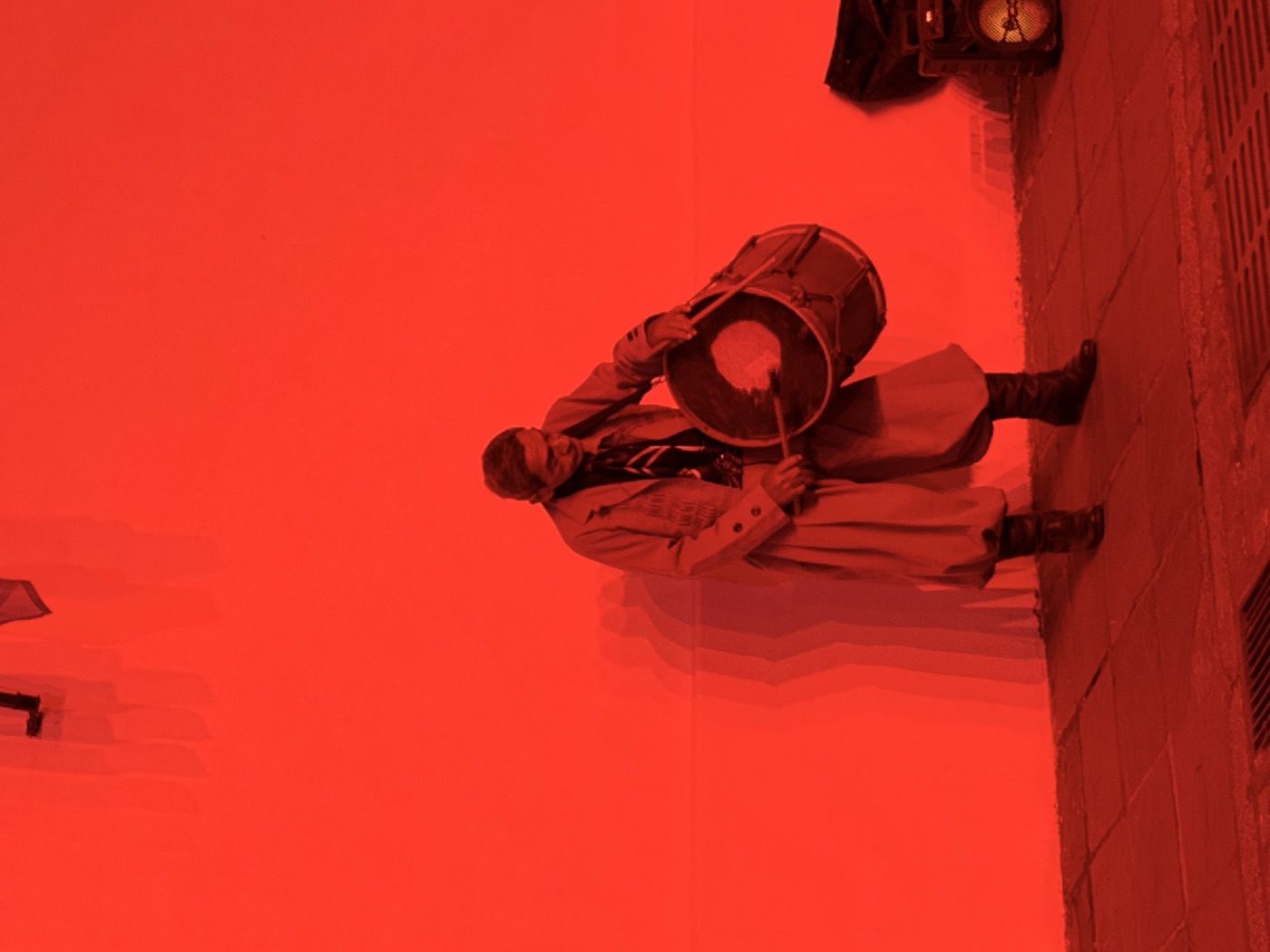
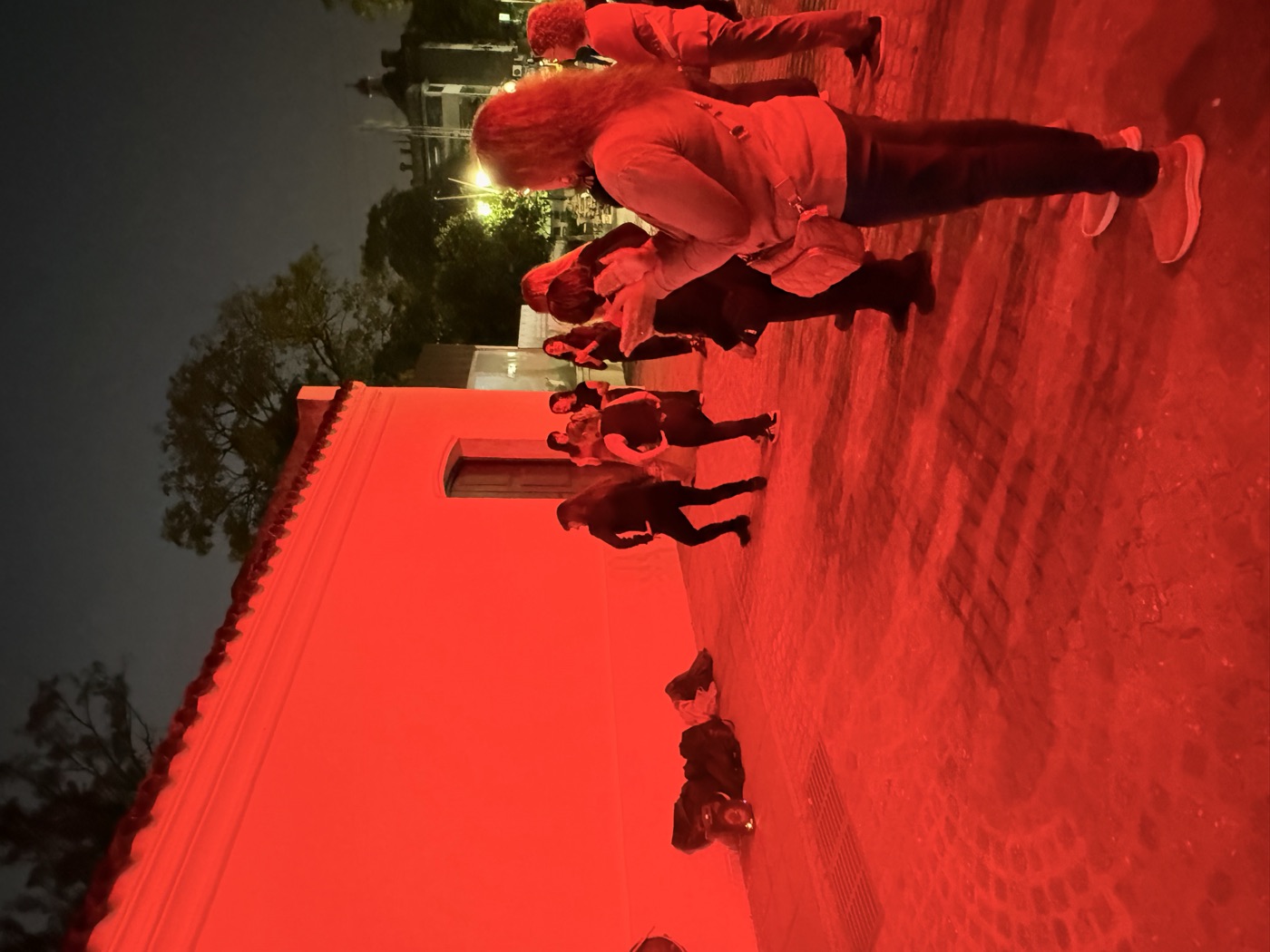
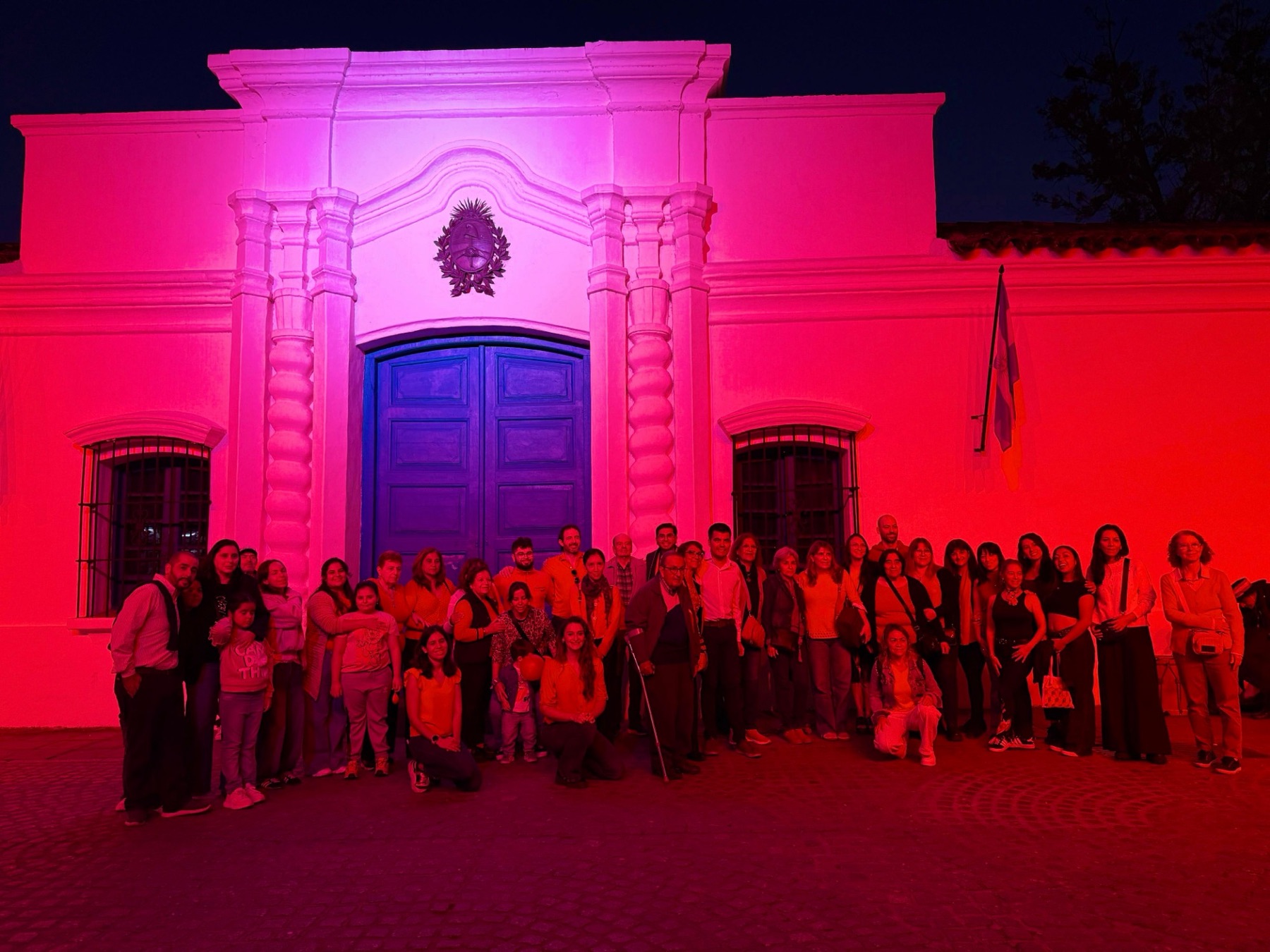
The call was shared on the social media channels of Hacé Click and Medios UNT. It was an initiative of IMMCA together with UNT, CONICET, the Ministry of Public Health, the City of San Miguel de Tucumán and Hospital Padilla.
In front of the Casa Histórica, patients, families, healthcare professionals and researchers shared a symbolic embrace, to the tango of Bondi Milonguero Tucumán. The following Monday, Hospital Padilla hosted a day with specialists and proposals to improve the quality of life of people living with Parkinson's disease.
Follow us at @immca.lab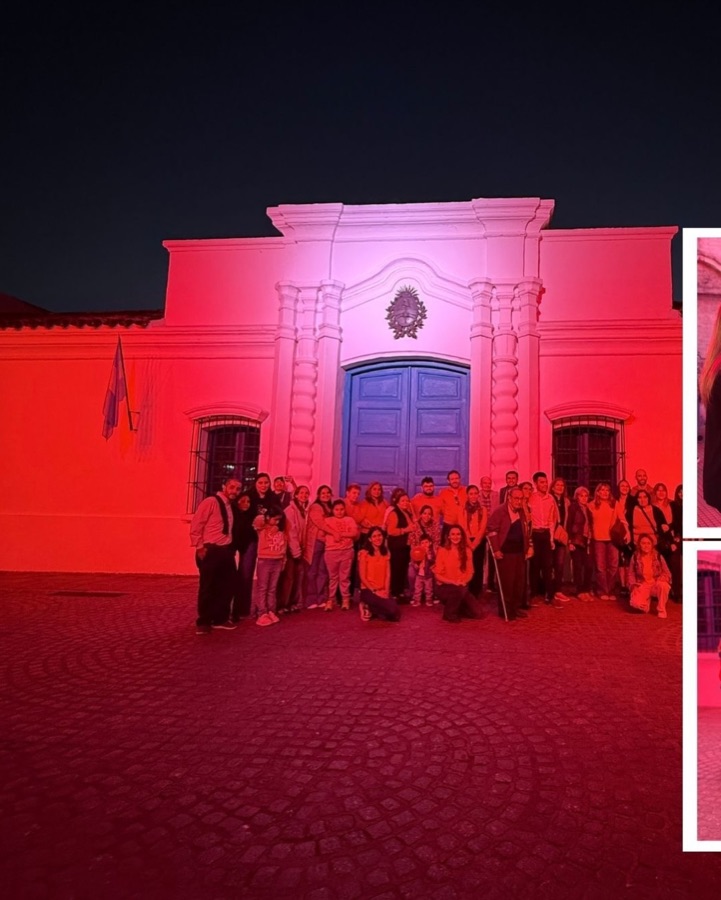 View on Instagram
 View on Instagram
 View on Instagram
We are part of the Red Argentina de Parkinson (Argentine Parkinson's Network), with which we share activities such as World Parkinson's Day in Tucumán.
We explain, in plain language, what is being researched and what is known today: from the “Café con ALMA” meetings in 2019 to the Asociación Parkinson Neuquén congress in 2024.
We take part in the LARGE-PD consortium, which studies the genetics of the disease in Latin American populations.
Research in a public laboratory is funded by the whole of society. Sharing it is part of the job.
media appearances since 2020, in local and national press, TV, radio, social media and official channels.
Source: IMMCA press archive and web search, November 2026.
The most-followed account among CONICET institutes in northwestern Argentina, run by our own fellows with two posts a week.
Follow on InstagramScientific collaborations, services, fellowships or press: write to us or visit the institute.